What Does Cornstarch Do in Cookies?
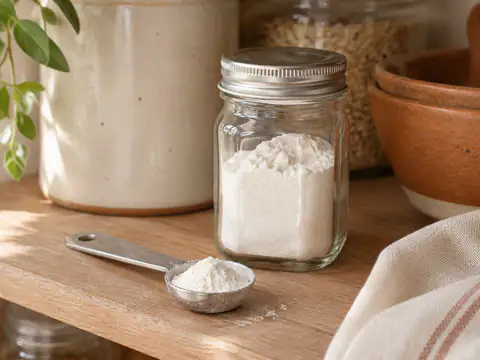
Cornstarch makes cookies more tender. It is pure starch with no gluten-forming protein, so replacing a little of the flour with it lowers the protein in the dough, and less gluten means a softer, finer bite. Recipes use it in small amounts, often 1 tablespoon (8 g) for a batch of soft chocolate chip cookies.
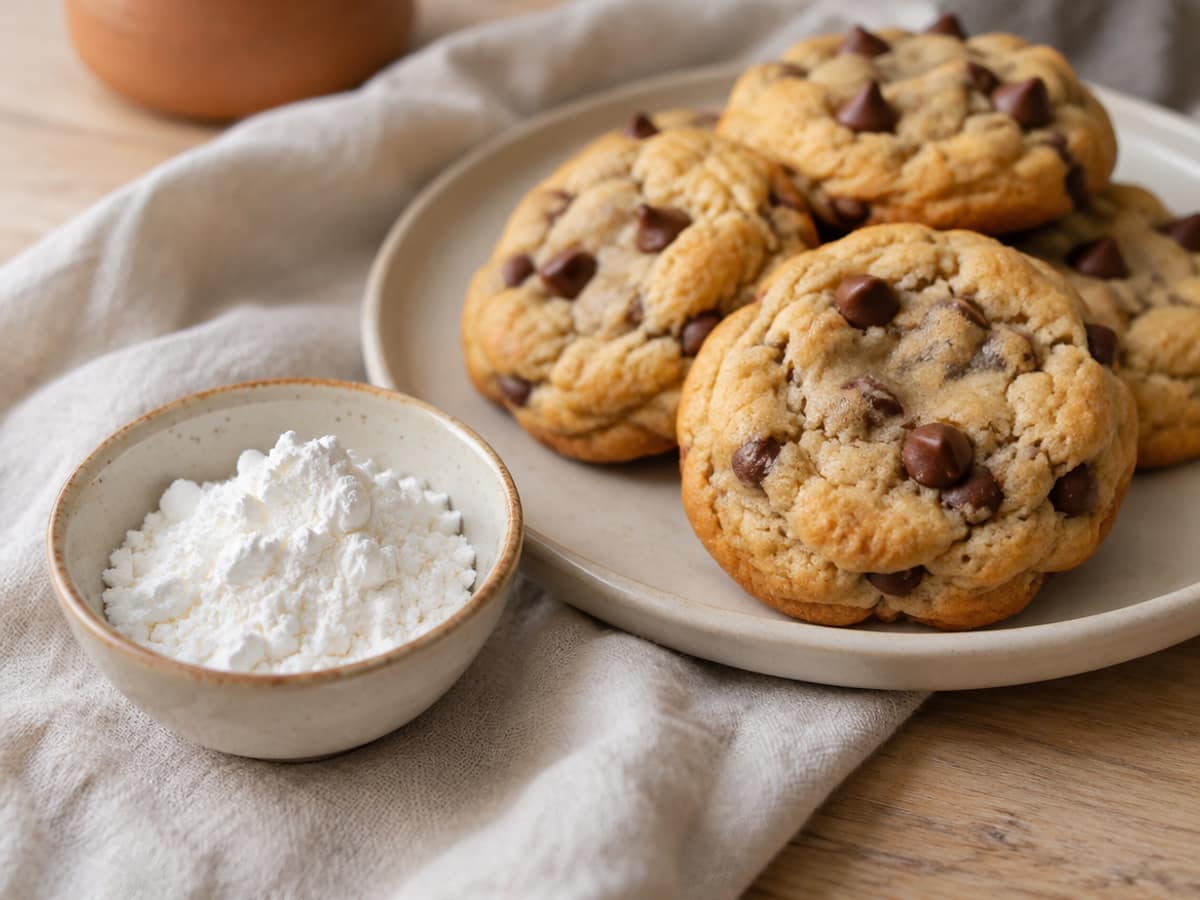
The idea is the same one behind cake flour. King Arthur Baking says cornstarch adds tenderness and lowers the overall protein content of all-purpose flour to mimic cake flour. This guide shows the amounts real recipes use, what to expect and when to skip it. For the full cookie recipe, start with the classic chocolate chip cookie recipe. More basics are in baking basics.
What cornstarch does in a cookie
Flour is mostly starch plus a little protein. When the dough is mixed with liquid, the protein forms gluten, which gives cookies chew and structure. Cornstarch adds starch without the protein.
- It dilutes the gluten-forming protein. The Exploratorium’s cookie science notes that rice flour or cornstarch in shortbread helps keep the dough tender even though shortbread needs a lot of mixing. The University of Arkansas Cooperative Extension Service says plainly that cornstarch contains less gluten than flour.
- It gives a fine, tender crumb. King Arthur’s cake flour guidance says the same: the cornstarch adds tenderness.
- Starch holds water as it bakes. King Arthur’s cookie science explains that starches in cookie dough hydrate and gelatinize in the oven, which supports the structure of the cookie and, by holding water, helps it stay softer over time. That page describes the starch in flour, not cornstarch, so treat it as the likely reason added starch helps rather than a measured result.
How much real recipes use
There is no single amount. The table shows what the recipes on this site and one King Arthur recipe use.
| Recipe | Flour | Cornstarch | Share of flour weight | What it is for |
|---|---|---|---|---|
| Gooey chocolate chip cookies | 250 g | 1 tbsp (7 g) | about 3 percent | Keeps the soft center tender |
| Bakery-style chocolate chip cookies | 345 g | 1 tbsp (7 g) | about 2 percent | Added to a flour-heavy dough to keep the crumb tender |
| Cake flour substitute (how to make it) | 105 g | 14 g | about 13 percent | Matches cake flour’s lower protein |
| King Arthur’s crispy brown butter cookies | 150 g | 3 tbsp (21 g) | about 14 percent | A delicate, crisp texture |
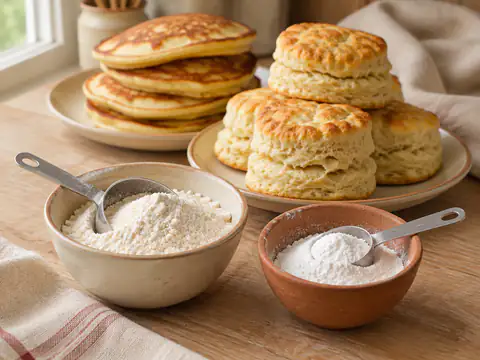
The last row is a useful reminder. King Arthur’s brown butter cookie recipe uses cornstarch for a crisp, snappy cookie, not a soft one. So what cornstarch does depends on the rest of the recipe, such as the sugar, the moisture and the bake. In a dough with plenty of moisture and brown sugar, it supports a soft, tender cookie. In a dry, thin dough baked until crisp, it supports a delicate snap.
King Arthur lists 7 g for a tablespoon of cornstarch, and this site uses the same figure (112 g per cup in the weight chart).
Replace some flour, or keep the amount small
The cake flour method takes the place of some of the flour: remove 2 tablespoons of flour and add 2 tablespoons of cornstarch. The gooey cookie recipe does the same, using 250 g of flour where the classic recipe uses 280 g, and then adding 1 tablespoon of cornstarch. The bakery-style recipe goes the other way. It uses 345 g of flour for a taller cookie and adds 8 g of cornstarch on top, so the dough stays tender even though it has so much flour. Both keep the cornstarch to about 1 tablespoon, which is a small share of the dry ingredients. A dough with a full amount of flour plus a lot of added cornstarch has more dry ingredients overall and will bake drier.
When to use it and when to leave it out
- Soft or thick cookies: A tablespoon is a good place to start. It is part of gooey chocolate chip cookies and bakery-style chocolate chip cookies.
- Chewy cookies: The chew in chewy chocolate chip cookies comes from bread flour and a long rest, which is the opposite of cutting the protein, so that recipe has none.
- Crisp cookies: The recipe for crispy chocolate chip cookies relies on low moisture and a low oven, and it has no cornstarch. King Arthur’s brown butter cookies show cornstarch can work in a crisp cookie too, but only in a recipe built for it. Do not drop it into one that was not.
- Cookies you want to hold their shape: Cornstarch is not a spread fix. If cookies are flat, look at the butter, the flour weight and the chill first. The causes are in why are my cookies flat.
Cornstarch, cake flour and all-purpose flour
| Flour | Protein | What it gives a cookie |
|---|---|---|
| Cake flour | Lowest | A fine, tender crumb |
| All-purpose flour | Middle | A middle chew |
| All-purpose flour plus a little cornstarch | Lower than all-purpose | A crumb tender like cake flour, with the same structure for the rest |
Cake flour is not a one-for-one swap in a recipe written for all-purpose flour, so a spoonful of cornstarch is the simpler route to a tender cookie. The substitute is covered in cake flour substitute, and the flour weights are in how to measure flour.
Measuring and keeping it
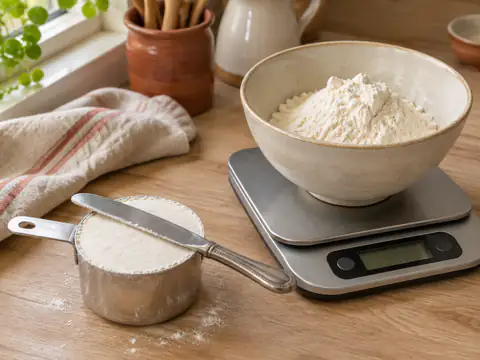
Spoon cornstarch into the measure and level it, or weigh it. It packs when scooped. Keep the box closed and dry, because moisture makes it clump. Nothing here depends on how long it keeps, since you will use a spoonful at a time.
Questions and answers
Why do some cookie recipes use cornstarch?
Cornstarch has no gluten-forming protein, so swapping a little of it for flour lowers the protein of the dough. That keeps the cookie tender. The Exploratorium notes that cornstarch in shortbread helps keep the dough tender despite heavy mixing.
How much cornstarch do you put in cookie dough?
It varies by recipe. The soft chocolate chip cookies on this site use 1 tablespoon (8 g) with 250 to 345 g of flour. King Arthur Baking's crisp brown butter cookies use 3 tablespoons (21 g) with 150 g of flour.
Is cornstarch the same as cake flour in cookies?
They work on the same idea. King Arthur Baking says cornstarch adds tenderness and lowers the overall protein of all-purpose flour to mimic cake flour. A cake flour substitute is 105 g of all-purpose flour plus 14 g of cornstarch.
Should I add cornstarch or replace some flour?
Recipes do both. The cake flour method replaces flour, and the gooey cookie on this site uses 250 g of flour instead of 280 g. The bakery-style cookie adds 8 g to 345 g of flour. Either way, keep the amount small.
Sources
- Cake flour vs. all-purpose flour: What's the difference, and how do I substitute? — King Arthur Baking
- What You Need to Know About Flour — University of Arkansas Cooperative Extension Service
- Science of Cooking: Fashioning Frameworks — Exploratorium
- Crispy Brown Butter Cookies — King Arthur Baking
- Cookie science: How to achieve your perfect chocolate chip cookie — King Arthur Baking
- Ingredient Weight Chart — King Arthur Baking