Cream of Tartar in Meringue and Egg Whites
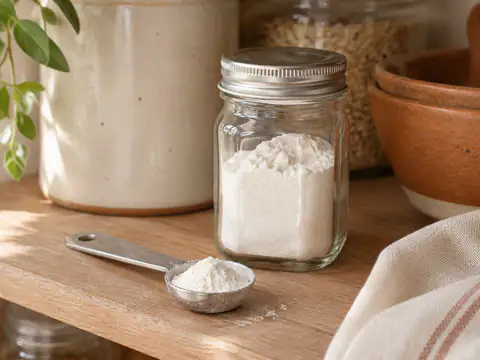
Add about 1/8 teaspoon of cream of tartar for each large egg white, and add it when the whites first turn foamy, before any sugar. It is an acid, and it makes the foam steadier, so the whites whip to a glossy peak, hold it, and are harder to overbeat. That is why recipes for meringue, pavlova, angel food cake and lemon meringue pie call for it.
The whipping technique itself, with bowl, timing and fixes, is in how to whip egg whites. For what cream of tartar is and everything else it does, see the main guide to what cream of tartar is and what it is used for. More basics live in baking basics.
Why cream of tartar steadies egg whites
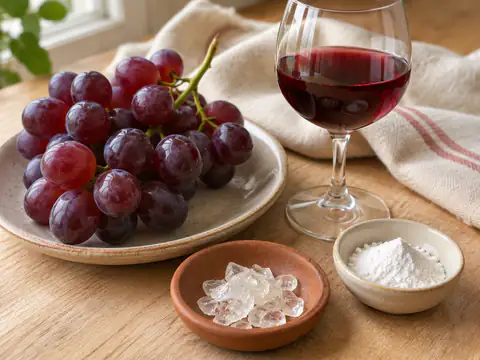
When you whip egg whites, the proteins unwind and link into a net that traps air and water. That net is the foam. Left alone, it can tighten too much, squeeze out liquid and collapse. Cream of tartar is a mild acid. It lowers the pH of the whites, which slows the proteins from bonding too tightly. The foam stays smoother and holds more air, and it takes longer to tip over into dry and grainy.
Sugar helps too, but it works differently. It dissolves into the whites, thickens them and makes the foam firmer. The two together give the most reliable meringue.
King Arthur Baking describes cream of tartar as an added safeguard rather than a requirement. Without it, a meringue can still work, but it is less forgiving and more likely to weep (leak sugary beads) after sitting.
How much to use
| Egg whites | Cream of tartar | Sugar for stiff meringue |
|---|---|---|
| 1 large | 1/8 tsp | 1/4 cup (50 g) |
| 2 large | 1/4 tsp | 1/2 cup (100 g) |
| 3 large | 3/8 tsp | 3/4 cup (150 g) |
| 4 large | 1/2 tsp | 1 cup (200 g) |
These are common amounts: about 1/8 teaspoon per white, and about 1/4 cup of sugar per white for a firm meringue that can be piped or baked. For a soft, pillowy topping on a pie, many recipes use about 2 tablespoons (25 g) of sugar per white.
A large egg white weighs about 30 to 35 g. If you are working from a scale, 4 whites is about 130 g.
Step by step: whipping whites with cream of tartar
- Start with a clean, dry bowl and beaters. Wash them in hot soapy water, rinse and dry. A metal or glass bowl is easiest to get truly clean. Plastic can hold on to a film of grease.
- Separate the eggs carefully. Crack each egg over a small bowl, then add the white to the main bowl. Any yolk in the whites stops them from whipping, so one bad egg does not ruin the batch.
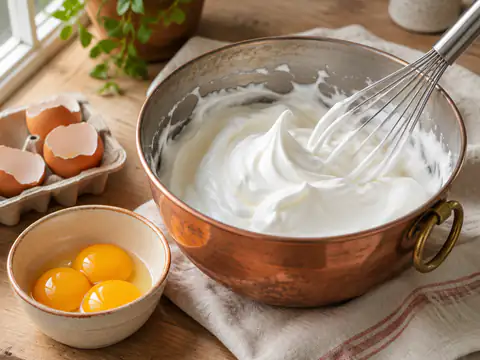
- Whip on medium speed until foamy. The whites look like bubble bath and are cloudy, with no clear liquid left. This takes about 1 minute.
- Add the cream of tartar. Sprinkle it in now so it blends fully before the foam firms up.
- Raise the speed to medium-high. Keep beating until the whites form soft peaks, about 2 minutes more.
- Add the sugar gradually. Add 1 tablespoon at a time, with the mixer running, waiting about 15 seconds between additions. Dumping it in at once deflates the foam and leaves sugar that does not dissolve.
- Beat to the stage you need. Rub a little between your fingers. If it feels gritty, keep beating until the sugar has dissolved.
What the peaks look like
| Stage | Lift the beater | What it looks like | Used for |
|---|---|---|---|
| Foamy | Whites run off | Cloudy bubbles | Time to add cream of tartar |
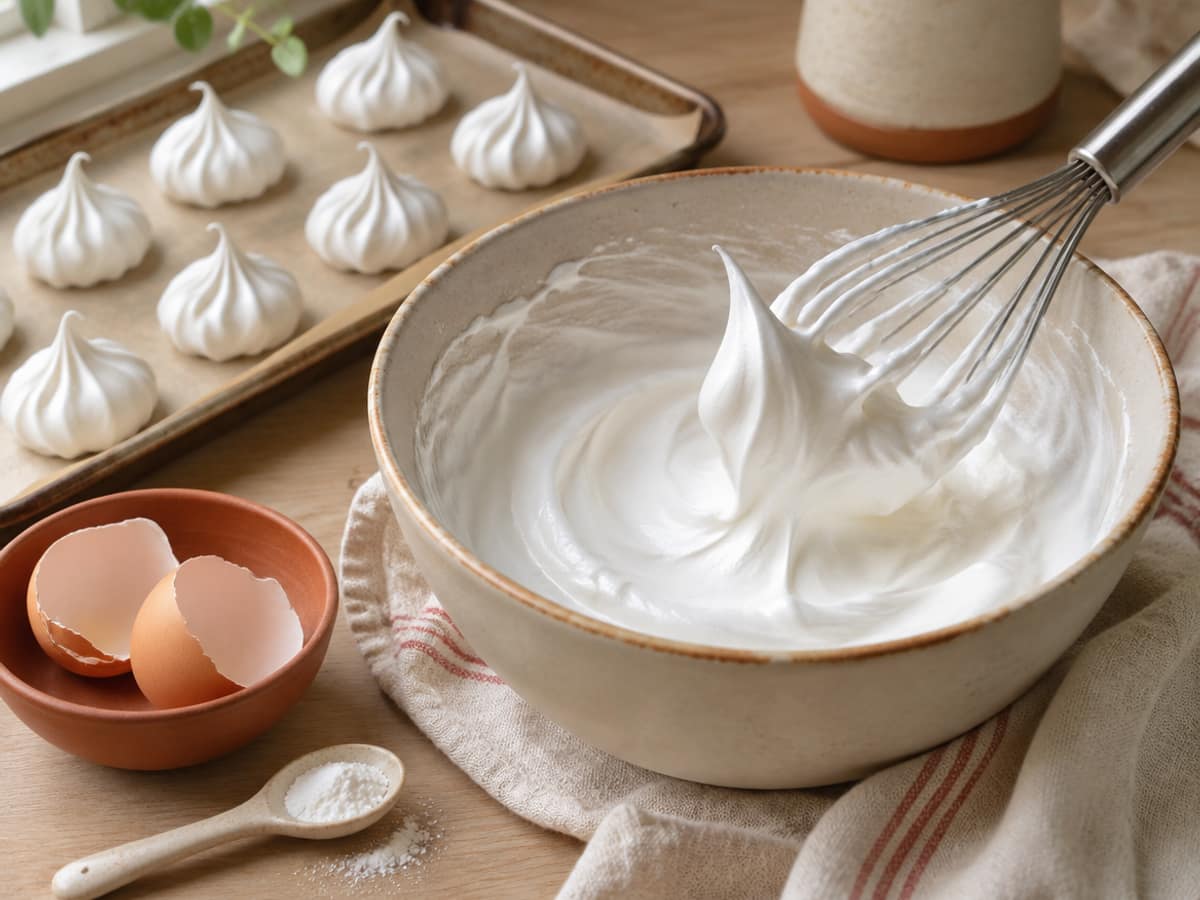
| Soft peaks | Peak droops over at the tip | Glossy, creamy, slumps slowly | Soufflés, folding into batters |
| Medium peaks | Peak holds with a curled tip | Smooth and shiny | Mousses, pie topping |
| Stiff peaks | Peak stands straight up | Thick, glossy, holds a sharp point | Meringue cookies, pavlova, piping |
| Overbeaten | Clumpy and dry | Grainy, looks curdled, may weep liquid | Start over |
Stiff peaks should look smooth and shiny. If the surface turns dull and lumpy, the foam has gone past its best. Cream of tartar widens the window before that happens, but it cannot rescue whites that are already overbeaten.
Why meringue fails, and the fix
- Whites will not whip. Fat is almost always the cause: yolk, grease on the bowl or beaters, or a plastic bowl. Start again with clean equipment and fresh whites.
- Beads of liquid on top (“weeping”). The sugar did not dissolve fully, or the meringue was underbaked. Add sugar slowly and beat until it feels smooth between your fingers.
- A watery layer under the meringue. On a pie, spread the meringue onto a hot filling and seal it to the crust, so the meringue cooks from the bottom as well as the top.
- Cracks and browning too fast. The oven is too hot. Bake meringues low and slow.
- Meringue that shrinks or weeps after cooling. Cream of tartar helps. So does cooling it gradually instead of moving it to a cold counter.
What to use if you have no cream of tartar
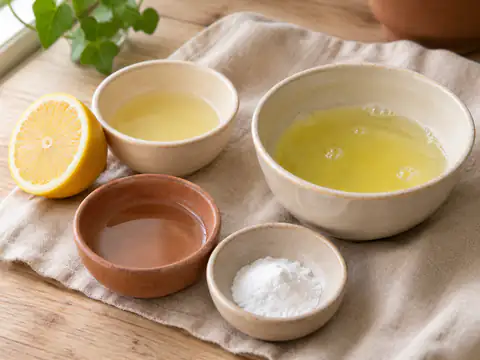
Lemon juice or white vinegar works, at 1/8 to 1/4 teaspoon per egg white, according to King Arthur Baking. Start with the smaller amount. Both are acids, so they steady the foam in the same way, but a large amount can add a taste. A spotless bowl matters more than any additive. Substitutes for other uses, such as snickerdoodles, are in cream of tartar substitutes that work.
Is raw egg white safe in meringue?
Not unless the egg is cooked. The FDA advises cooking eggs until the yolk and white are firm, and cooking dishes that contain eggs to 160°F (71°C). A fully baked meringue cookie or a pie meringue baked until set is cooked through. For recipes where whites stay raw or are barely cooked, such as mousse or some frostings, the FDA says to use pasteurized eggs or egg products instead.
Meringue and meringue powder
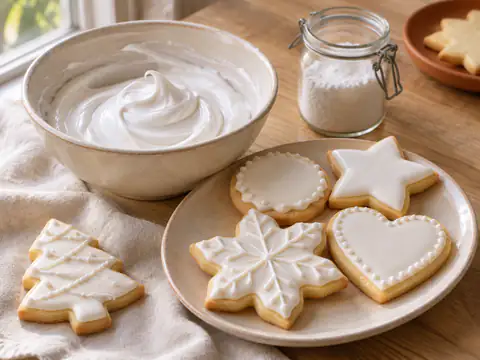
Meringue powder is a dried mix of egg white, sugar and a stabilizer, used for royal icing and some meringues. It is a separate product from cream of tartar, and the two are not swaps for each other. The side-by-side table in cream of tartar vs meringue powder explains the difference.
More on cream of tartar in baking basics.
Questions and answers
How much cream of tartar do I add to egg whites?
About 1/8 teaspoon per large egg white, which works out to about 1/2 teaspoon for four whites. Add it when the whites turn foamy, before the sugar.
Can I make meringue without cream of tartar?
Yes. Use a spotless bowl and add 1/8 to 1/4 teaspoon of lemon juice or white vinegar per egg white instead, or leave the acid out and serve the meringue soon, since it will be a little less stable.
Why do my egg whites not whip?
Fat is the usual cause. A speck of yolk, a greasy bowl or an oily beater stops the foam from forming. Wash everything with hot soapy water and dry it, and separate each egg into a small bowl before it goes in with the others.
Is it safe to eat meringue made with raw egg whites?
Only when the whites are cooked until firm. For recipes where egg whites stay raw or lightly cooked, such as mousse, buttercream or soft frostings, the FDA advises using pasteurized eggs or egg products.
Sources
- What You Need to Know About Egg Safety — U.S. Food and Drug Administration
- What is cream of tartar? And do I really need it to whip egg whites? — King Arthur Baking