Is Cream of Tartar the Same as Meringue Powder?
No, cream of tartar and meringue powder are different products. Cream of tartar is a dry acid with no egg in it, and it helps fresh egg whites hold a foam. Meringue powder is made mostly of dried egg whites, so it can stand in for fresh whites in meringue and royal icing. You cannot swap one for the other, and some meringue powders already contain cream of tartar.
Side by side
| Cream of tartar | Meringue powder | |
|---|---|---|
| What it is | Potassium bitartrate, a dry acid from winemaking | A dry mix made mostly of dried egg whites |
| Contains egg? | No | Yes |
| Other ingredients | None | Varies by brand: often sugar, a starch and a stabilizer; some include cream of tartar |
| What it does | Steadies the foam of fresh egg whites; reacts with baking soda | Replaces fresh egg whites in meringue, royal icing and some frostings |
| Typical amount | 1/8 tsp per large egg white | About 2 tsp plus 2 tbsp water per egg white, per Wilton; follow your package |
| Needs fresh egg whites? | Yes | No |
| Can it replace the other? | No | No |
What each one is
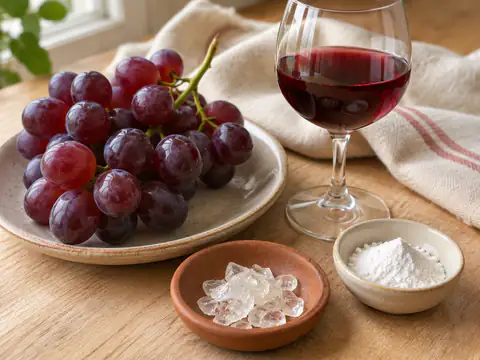
Cream of tartar is potassium bitartrate, a crystal that settles out of grape juice as wine ferments. It is purified and sold as a white powder. What cream of tartar is made of covers how that happens. In a bowl of egg whites, its acid lowers the pH of the whites, which makes the foam steadier, as King Arthur Baking explains.
Meringue powder is a different kind of product. Wilton describes it as made mostly of dried egg whites, used in place of raw egg whites in meringue, frosting and royal icing. Brands add other things. Wilton notes that some meringue powder already has cream of tartar in it. Because ingredient lists differ, read the label if you have an allergy, avoid certain additives, or want to know whether the powder already contains an acid.
Can you swap them?
Not directly. The two do jobs that do not overlap.
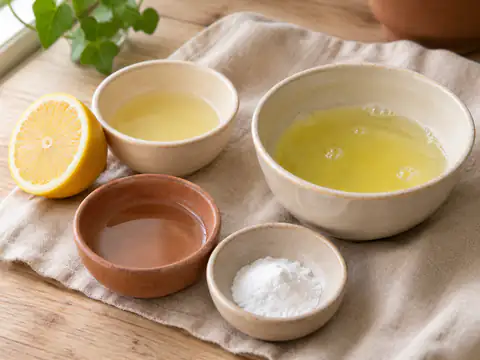
- The recipe calls for meringue powder, and you have cream of tartar. Cream of tartar cannot make a foam by itself. You need egg whites. Use fresh or carton egg whites and add 1/8 teaspoon of cream of tartar per white, as in cream of tartar in meringue and egg whites; how to whip egg whites covers the technique. The result is a normal meringue, not a royal icing that dries hard on cookies.
- The recipe calls for cream of tartar, and you have meringue powder. Meringue powder does not give you the acid in the same way, and it replaces egg whites rather than adding to them. If you are whipping fresh whites, use 1/8 to 1/4 teaspoon of lemon juice or white vinegar per white instead; cream of tartar substitutes that work has amounts.
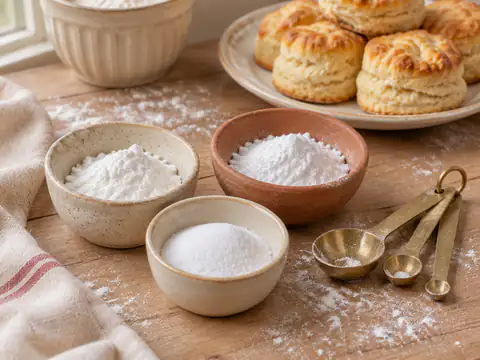
- A snickerdoodle or biscuit recipe calls for cream of tartar with baking soda. Meringue powder is no help here. The acid is there to react with the soda. Use baking powder in place of both, as described in cream of tartar vs baking powder vs baking soda.
How much meringue powder replaces egg whites
Wilton gives 2 teaspoons of meringue powder and 2 tablespoons of water as the replacement for 1 egg white. Other brands print their own amounts, so follow the package. Wilton also advises against using meringue powder as a general egg substitute in cakes, brownies, cookies or breads. It is made to replace whites beaten to stiff peaks, and the other ingredients in it can change how a batter bakes.
Meringue powder is the usual choice for royal icing, which is made by beating it with water and powdered sugar until it holds stiff peaks and dries hard. That is why cookie decorators keep a tub in the pantry.
A note on raw egg whites
Royal icing and some meringues are never baked. The FDA says that for recipes calling for eggs that are raw or undercooked when the dish is served, you should use shell eggs treated to destroy Salmonella by pasteurization or another approved method, or pasteurized egg products. If you plan to use fresh whites in an uncooked icing, buy pasteurized eggs. If you use meringue powder, check the label to see how the egg whites were treated, because brands differ.
Wash your hands, bowls and tools after they touch raw egg whites, and keep fresh whites in the refrigerator until you use them.
Which one to buy
Keep cream of tartar if you whip egg whites for meringue, pavlova or angel food cake, or make snickerdoodles. Keep meringue powder if you make royal icing or want a meringue without separating eggs. Many bakers keep both, because they do different jobs. Store each in a tightly closed container in a cool, dry place. If you are wondering whether an old jar is still good, see does cream of tartar go bad.
For the overview of everything cream of tartar does, read the main guide to cream of tartar, and browse more in baking basics.
Questions and answers
Is cream of tartar the same as meringue powder?
No. Cream of tartar is a dry acid with no egg in it. Meringue powder is made mostly of dried egg whites, and some brands already contain cream of tartar as a stabilizer.
Can I use cream of tartar instead of meringue powder?
No. Cream of tartar only steadies egg whites you already have. For royal icing or meringue without fresh eggs you need meringue powder, or fresh or carton egg whites plus cream of tartar.
How much meringue powder equals one egg white?
Wilton gives 2 teaspoons of meringue powder mixed with 2 tablespoons of water for 1 egg white. Brands differ, so follow the amount on your package.
Is it safe to eat royal icing made with raw egg whites?
The FDA says recipes that call for eggs raw or undercooked when served should use pasteurized eggs or pasteurized egg products. Check the label on meringue powder to see how it was treated.
Sources
- How to use meringue powder — Wilton
- What is cream of tartar? And do I really need it to whip egg whites? — King Arthur Baking
- What You Need to Know About Egg Safety — U.S. Food and Drug Administration