Chocolate Chip Cookie Ingredients: What Each One Does
A chocolate chip cookie is nine ingredients: flour, butter, granulated sugar, brown sugar, eggs, baking soda, salt, vanilla and chocolate chips. Flour gives structure, butter and sugar control spread and chew, eggs bind, baking soda lifts and browns, and salt, vanilla and chocolate supply flavor. Change one and the cookie changes in a predictable way.
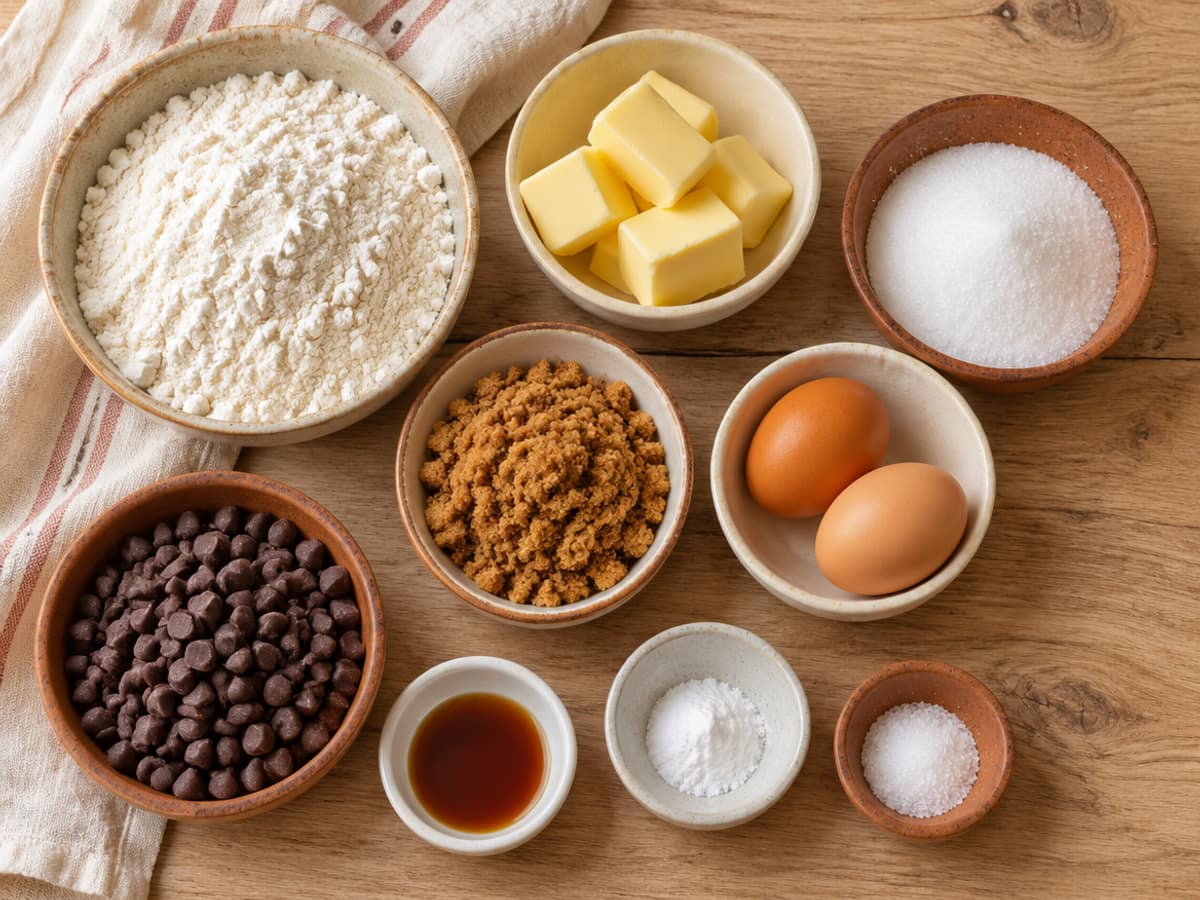
This guide lists the ingredients with exact amounts, then explains what each one does and what happens when you swap or adjust it. For full recipes, see the classic chocolate chip cookie recipe or the cookie recipes hub.
Ingredient list for a basic chocolate chip cookie
This is the ingredient list from the main recipe, which makes about 28 cookies.
| Ingredient | Amount | Its job |
|---|---|---|
| All-purpose flour | 2 1/4 cups (280 g) | Structure |
| Unsalted butter, softened | 1 cup (226 g) | Tenderness, flavor, spread |
| Granulated sugar | 3/4 cup (150 g) | Crisp edges, spread |
| Light brown sugar, packed | 3/4 cup (160 g) | Moisture, chew, acid for the soda |
| Large eggs | 2 (about 100 g) | Binding, moisture, richness |
| Baking soda | 1 tsp (6 g) | Lift and browning |
| Fine salt | 1 tsp (6 g) | Balances sweetness |
| Vanilla extract | 2 tsp (10 ml) | Rounds out the flavor |
| Semisweet chocolate chips | 2 cups (340 g) | The chocolate |
Flour: structure
Flour supplies protein that forms gluten and starch that sets as it bakes. More flour makes a thicker, drier, cakier cookie. Less flour makes a thinner, spreadier, crisper one.
- All-purpose flour (about 10 to 12 percent protein) is the standard. It balances chew and tenderness.
- Bread flour has more protein, so the dough builds more gluten and bakes up chewier and a bit taller.
- Cake flour has less protein, so the cookie is softer, more tender and more cake-like.
How you measure matters as much as which flour you pick. A cup of flour spooned and leveled weighs about 125 g. A cup scooped straight from the bag can weigh 150 g or more, which is enough extra flour to turn a chewy cookie dry. Weigh it if you can; how to measure flour correctly shows how. Some doughs swap a spoonful of flour for cornstarch for a softer center; see cornstarch in cookies.
Butter: tenderness and spread
Butter carries flavor and coats the flour, which keeps the cookie tender. Its temperature at mixing and at baking time controls how far the dough spreads.
- Softened butter (how to soften butter; cool to the touch and dents when pressed) holds air when creamed with sugar. The result is a cookie with some lift and a classic texture.
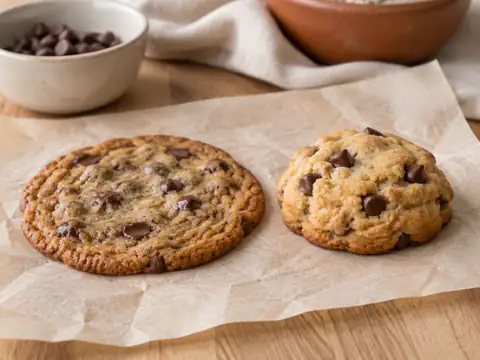
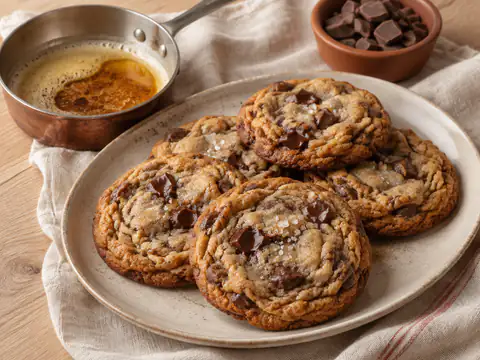
- Melted butter does not hold air and wets the flour more fully. Dough made with it is denser and spreads more, which gives a chewier cookie. Brown butter adds a nutty flavor.
- Cold butter melts slowly in the oven, so cookies spread less and bake thicker. Chilling softened dough has a similar effect.
- Salted vs unsalted: salted butter contains salt, and the amount varies by brand. Unsalted butter lets you set the salt yourself.
Sugar: sweetness, chew and crisp
Sugar does more than sweeten. It tenderizes, draws in moisture, and helps the dough spread and brown.
- Granulated sugar gives crisp edges and more spread.
- Brown sugar contains molasses, which holds moisture, so cookies stay soft and chewy (light vs dark brown sugar). It is slightly acidic, which reacts with baking soda.
- All brown sugar makes a softer, moister, more caramel-flavored cookie that spreads less and sits taller.
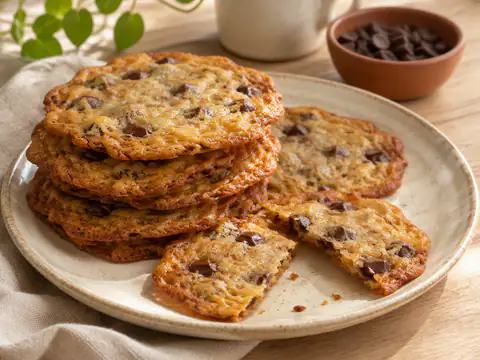
- All granulated sugar makes a paler, crisper cookie that spreads wide.
Shifting the ratio is the easiest way to steer texture. More brown sugar leans chewy and soft. More white sugar leans crisp. See the recipes for chewy and crispy cookies for ratios that work.
Eggs: binding and moisture
Eggs hold the dough together, add moisture and give it richness. Whole eggs have water, fat and protein, and each part does something different.
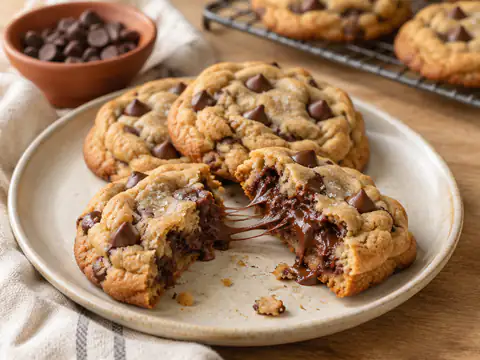
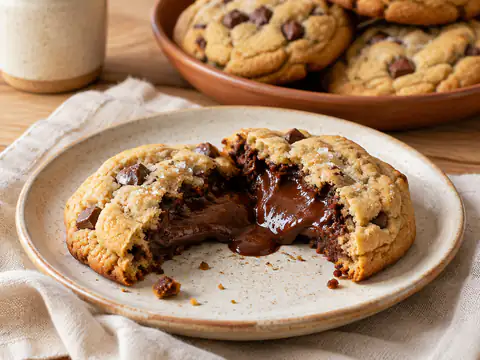
- Yolks add fat and richness, which makes cookies denser and chewier. An extra yolk is a common trick for a softer, fudgier center, as in the gooey cookie recipe.
- Whites add water and protein. They help the cookie set and puff, and too much white makes a cakier cookie.
- Fewer eggs make a drier, crumblier, crisper cookie.
- No egg makes the dough crumbly and flatter unless you replace the binding with something else.
Use eggs at room temperature so they blend into the butter smoothly.
Baking soda and baking powder: lift and browning
Baking soda is an alkaline powder. For the two side by side, see baking soda vs baking powder. It reacts with acid in the dough, mostly the molasses in brown sugar, and gives off carbon dioxide that lifts the cookie. It also raises the pH, which weakens the dough a little so the cookie spreads, and speeds up browning.
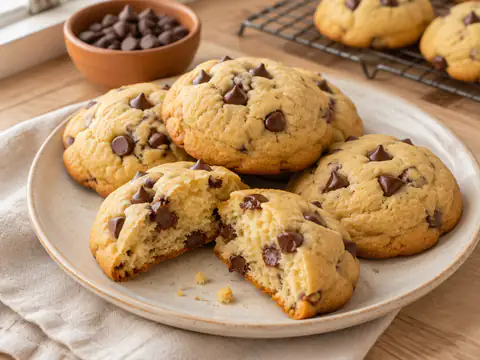
Baking powder contains soda plus a dry acid, so it lifts the dough without needing acid from other ingredients. Cookies made with baking powder instead of soda rise more, spread less and stay paler. If you swap them, use 2 1/2 tsp (10 g) of baking powder in place of 1 tsp of baking soda, and expect a puffy, cake-like cookie, like cakey cookies.
An old container of either one can lose strength. If your cookies come out flat and dense, check the date, and see flat cookies for other causes.
Salt and vanilla: flavor
Salt sharpens the sweetness and the chocolate. Without it, cookies taste flat. One teaspoon of fine salt is about 6 g, and Diamond Crystal kosher salt is lighter, so use about 2 teaspoons (5.5 g) in its place. A pinch of flaky salt on top just before baking adds contrast.
Vanilla extract rounds out the flavor of the butter and chocolate. Leaving it out makes the cookie taste plainer.
Chocolate: chips or chunks
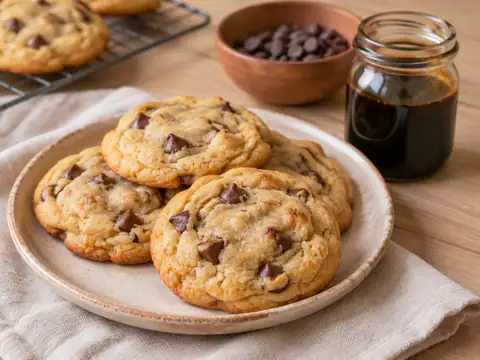
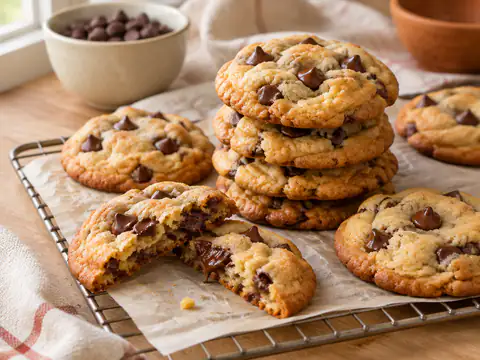
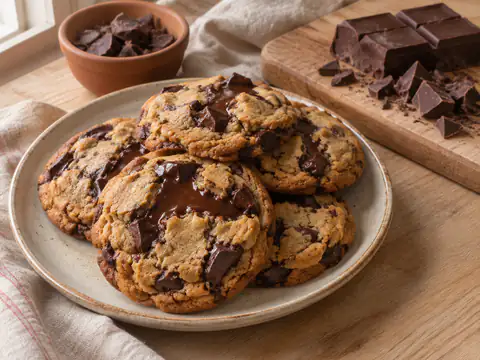
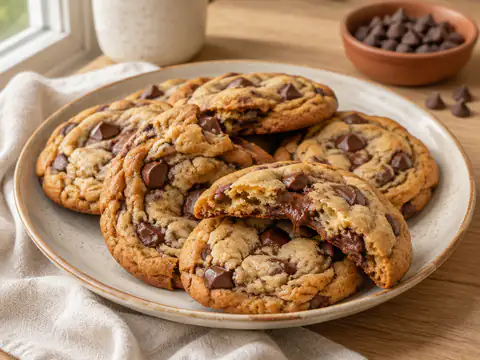
Chocolate chips are made to hold their shape in the oven, so each cookie has neat pockets of chocolate. Chopped bar chocolate melts into wider pools and shards. Both work in the same dough; types of baking chocolate compares them all. The chocolate chunk cookie recipe covers chopping and amounts.
- Semisweet (typically 50 to 60 percent cocoa) is the classic.
- Bittersweet (60 to 70 percent) is less sweet and more intense.
- Milk chocolate is sweeter and milder.
Keep the total near 340 g (12 oz) for this dough so it still holds together.
What happens when you change one thing
This table collects the changes above in one place. Change one item at a time so you can see its effect.
| Change | Effect on the cookie |
|---|---|
| Melted instead of softened butter | Denser, chewier, spreads more |
| Cold instead of softened butter | Spreads less, bakes thicker |
| Replace 1/4 cup (50 g) granulated with brown sugar | Softer and chewier |
| Replace brown sugar with granulated | Paler, crisper, spreads more |
| Add one extra egg yolk | Richer, denser, fudgier center |
| Use bread flour instead of all-purpose | Chewier, slightly taller |
| Use cake flour instead of all-purpose | Softer, more tender, more cake-like |
| Add 1/4 cup (31 g) more flour | Thicker, cakier, drier |
| Baking powder instead of soda | Puffier, paler, cake-like |
| Chill the dough 30 minutes or more | Less spread, thicker cookies |
| Weigh flour at 125 g per cup instead of scooping | Fewer dry cookies |
Dough habits that change the result
- Cream butter and sugar for about 2 minutes. That adds air that lightens the dough.
- Stop mixing when the flour disappears. More mixing builds gluten, which toughens cookies.
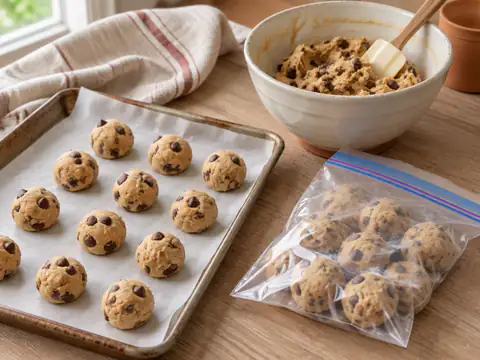
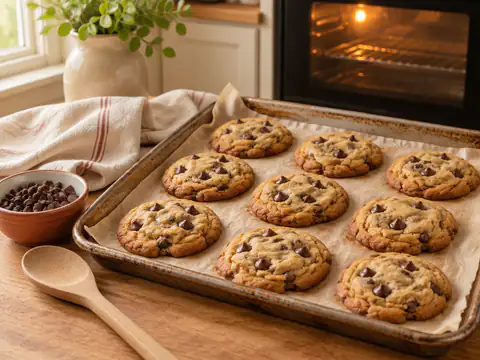
- Chill the dough. Even 30 minutes firms the butter and makes cookies thicker (chilling cookie dough). A longer rest gives the flour time to absorb liquid.
- Do not eat raw dough. The FDA says raw flour and raw eggs can carry bacteria.
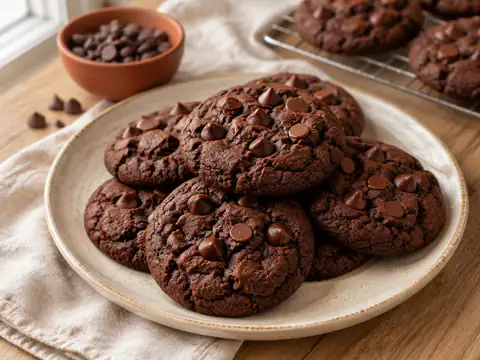
For baking times once the dough is mixed, see the bake time and temperature chart. To try a variation, start with the double chocolate chip cookies or the bakery-style thick cookies.
Questions and answers
What are the basic ingredients in chocolate chip cookies?
Flour, butter, granulated sugar, brown sugar, eggs, baking soda, salt, vanilla and chocolate chips. That is nine ingredients, and each one has a job in the dough.
Can I make chocolate chip cookies without eggs?
You can, but the dough loses binding and moisture. Cookies without eggs tend to be more crumbly and flatter, and they need another binder or extra liquid to hold together.
Does it matter if the butter is salted or unsalted?
Salted butter adds salt to the dough, and the amount varies by brand. Unsalted butter lets you control the salt yourself, which is why most recipes call for it.
Do I need baking powder in chocolate chip cookies?
No. Classic chocolate chip cookies use baking soda alone, because brown sugar supplies the acid it reacts with. Baking powder makes the cookies puffier and more cake-like.
Sources
- Handling Flour Safely: What You Need to Know — U.S. Food and Drug Administration