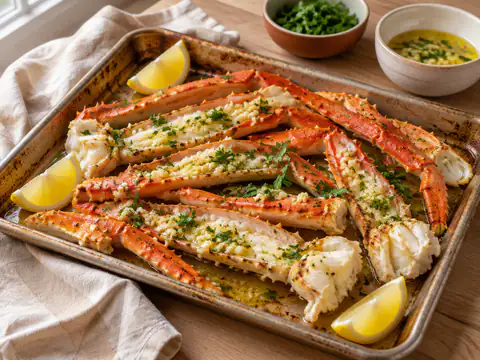
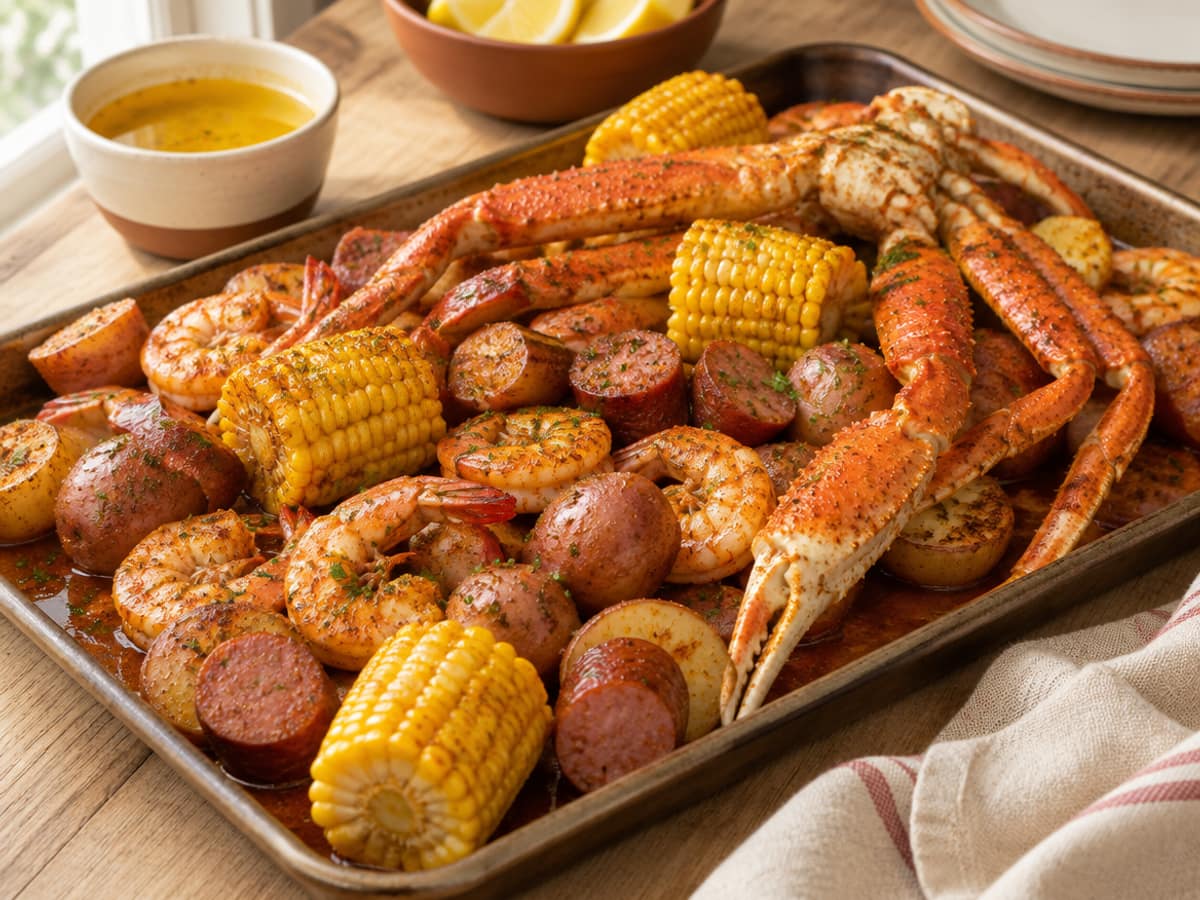
Seafood Boil With Shrimp, Crab, Corn and Potatoes
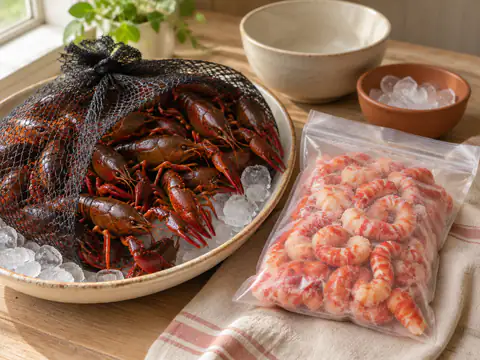
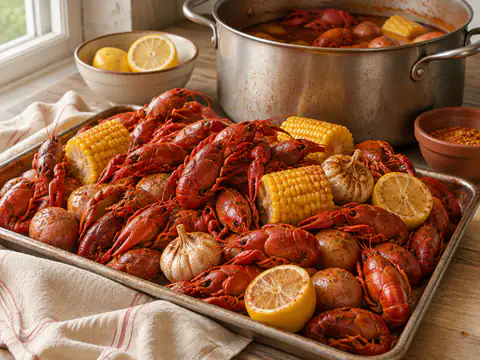
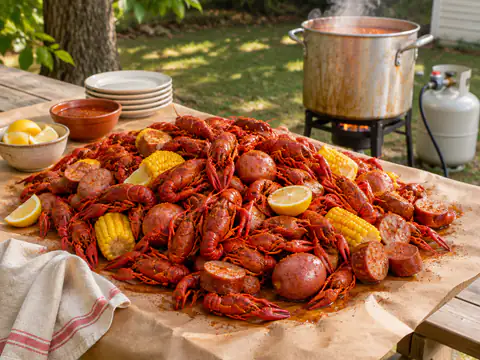
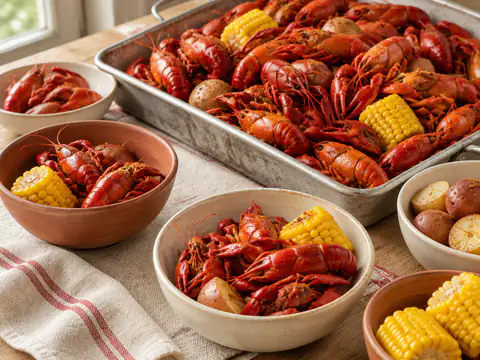
This seafood boil feeds six on the stove in about an hour. Seasoned water cooks baby potatoes, then sausage and corn, then snow crab clusters, then large shrimp, each added so that everything finishes together. A garlic butter sauce goes on the table for dipping. It is a smaller and simpler cousin of a crawfish boil: no live shellfish, no burner and no sack. For crawfish, see the stovetop crawfish recipe, or the crowd boil for a full sack. More seafood recipes are in the seafood hub.
Recipe
Seafood Boil With Shrimp, Crab, Corn and Potatoes
- Yield6 servings (2 lb crab, 2 lb shrimp, 1 1/2 lb potatoes, 4 ears of corn, 12 oz sausage)
- Prep20 min
- Cook40 min
- Total1 hr
Ingredients
The boil
- 4 quarts3.8 liters water
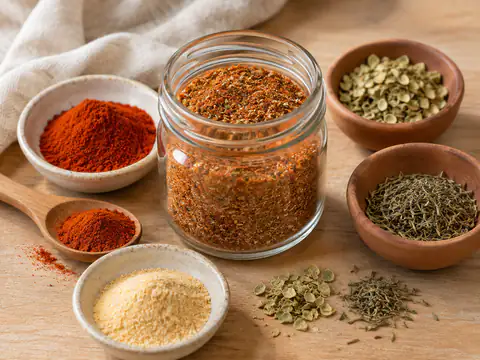
- 1/4 cupabout 30 g seafood boil seasoning, Old Bay style
- 1 tbsp8 g Diamond Crystal kosher salt, only if the seasoning is low in salt; taste the water
- 2about 220 g lemons, halved
- 1 largeabout 300 g yellow onion, halved
- 1 headabout 50 g garlic, halved across the middle
- 2 bay leaves
What goes in the pot
- 1 1/2 lb680 g baby red potatoes, scrubbed
- 12 oz340 g smoked sausage, cut in 1-inch pieces
- 4 earsabout 1 kg corn on the cob, husked and cut in half
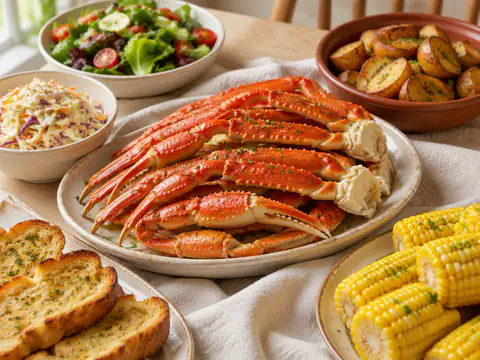
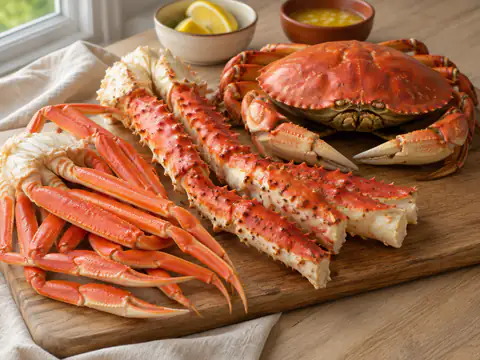
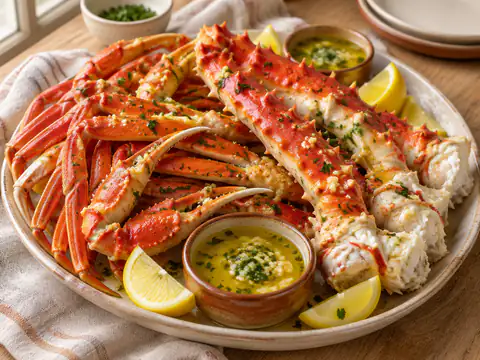
- 2 lb900 g cooked snow crab clusters, thawed in the refrigerator overnight
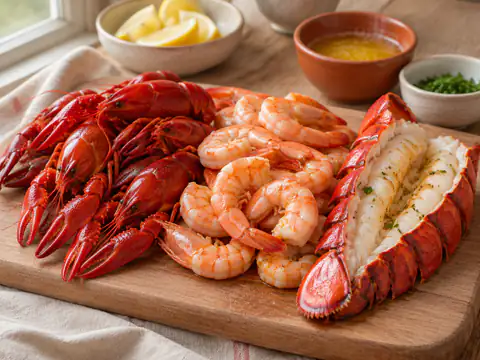
- 2 lb900 g large shell-on shrimp, about 26 to 30 per pound
Garlic butter sauce
- 1 cup (2 sticks)226 g unsalted butter
- 4 cloves12 g garlic, minced
- 1 tbsp6 g seafood boil seasoning
- 2 tbsp30 ml lemon juice
- 2 tbsp8 g chopped parsley
Method
- Fill the pot with the water. Squeeze the lemon halves into it and drop them in, then add the seasoning, salt if needed, onion, garlic and bay leaves. Cover and bring to a boil, then boil 10 minutes so the flavors blend.
- Add the potatoes. Return to a boil and cook 10 to 12 minutes, until a knife meets only a little resistance. Meanwhile, melt the butter in a small saucepan over low heat, cook the minced garlic 1 to 2 minutes, then stir in the seasoning, lemon juice and parsley. Keep it warm.
- Add the sausage and corn. Return to a boil and cook 5 minutes.
- Add the crab clusters. Cook 4 to 5 minutes, until hot all the way through.
- Add the shrimp. Cook 2 to 3 minutes, only until they are pink, firm and opaque. Drain the pot right away.
- Pour everything onto a paper-covered table or a large platter. Serve with the garlic butter and extra lemon wedges.
Notes
- Shrimp go in last because they cook in 2 to 3 minutes, and a minute too long makes them rubbery.
- If you cannot find cooked crab, raw crab legs need longer. Cook them until the flesh is pearly and opaque.
The order matters
Everything cooks in the same pot, so each ingredient goes in when it needs to. Use this table with a timer.
| Add | When | Cooks for (planning range) | Done when |
|---|---|---|---|
| Potatoes | After the water boils for 10 minutes | 10 to 12 minutes | A knife slides in with little resistance |
| Sausage and corn | After the potatoes | 5 minutes | Corn is hot and bright yellow |
| Snow crab clusters | After the corn | 4 to 5 minutes | Hot through; same as boiling thawed snow crab in how to cook crab legs |
| Shrimp | Last | 2 to 3 minutes | Firm, pearly and opaque |
The times are planning ranges because pots and burners differ. For safety, the FDA says most seafood should reach 145°F (63°C) inside, and that shrimp and crab turn firm, pearly and opaque when done.
Why this method works
- Seasoning the water first means the potatoes and corn take it up as they cook. The water should taste strongly seasoned, almost too much, because the food in it is much less salty than the water.
- Starting with the slowest ingredient keeps the timing simple. The crab is already cooked, so it only needs to heat through, and the shrimp cook so fast that they go in last.
- Shell-on shrimp hold more flavor and are harder to overcook than peeled ones.
- A separate butter sauce stays out of the pot, so the boil water stays clean and the butter is hot and fresh at the table.
Choosing the seafood
Snow crab clusters are sold frozen and are usually already cooked. Check the package, and thaw them in the refrigerator overnight, which is how the FDA advises thawing seafood gradually. Large shrimp, about 26 to 30 to the pound, hold up best. Very small shrimp overcook in seconds. If you want a different crab, how to cook crab legs has times for king crab and Dungeness.
Seasoning
Store-bought seafood seasoning is salty, so taste the water before adding any extra salt. If you want it hotter, add cayenne a 1/4 teaspoon at a time. If you want to skip the packaged blend, the Louisiana-style seasoning in the stovetop crawfish recipe works in the same amount.
What to serve with it
The boil is a full meal. Add crusty bread for the butter, and a cool side such as slaw or a green salad. What to serve with crab legs has recipes. For a different sauce, see garlic butter seafood sauce; the base butter in 10 garlic butter crab dinners is also good here.
Fixes for common problems
- Rubbery shrimp: They cooked too long. Add them last and drain the moment they turn pink and firm.
- Bland potatoes: The water was not seasoned enough. Taste it before the potatoes go in.
- Mushy potatoes: Cut them smaller than the rest, or add them later next time. Baby potatoes should keep their shape.
- Cold crab: The clusters were frozen in the middle. Thaw them fully first, or give them 2 to 3 minutes longer.
- Overflowing pot: Use a 16-quart pot so there is room for the food and the boiling water.
Leftovers
Refrigerate leftovers within 2 hours, or 1 hour on a day above 90°F (32°C), as the FDA advises. Peel the shrimp and pick the crab first, because the shells take up room and slow cooling. USDA FSIS says to reheat leftovers to 165°F (74°C), and Rutgers Cooperative Extension says never to keep them for more than four days. Leftover shrimp and crab are good chopped into fried rice or tossed with a little butter.
Questions and answers
Can I use raw shrimp and crab?
Yes. Shrimp and crab cook until the flesh is firm, pearly and opaque, which the FDA lists as the sign they are done. Raw crab takes longer than precooked, so keep checking until the flesh is firm, pearly and opaque.
Can I use frozen shrimp?
Yes. Thaw them in the refrigerator overnight, or seal them in a bag and soak in cold water if you are short on time, as the FDA advises. Drain them before they go in the pot.
How is this different from a crawfish boil?
A crawfish boil cooks live crawfish by the sack in a large pot, usually outdoors. This is a smaller stovetop boil for six, with crab that only needs heating and shrimp that cook in minutes.
Sources
- Selecting and Serving Fresh and Frozen Seafood Safely — U.S. Food and Drug Administration
- Are You Storing Food Safely? — U.S. Food and Drug Administration
- Handling Leftovers Safely — Rutgers Cooperative Extension
- Leftovers and Food Safety — USDA Food Safety and Inspection Service