Hot Chocolate vs Hot Cocoa
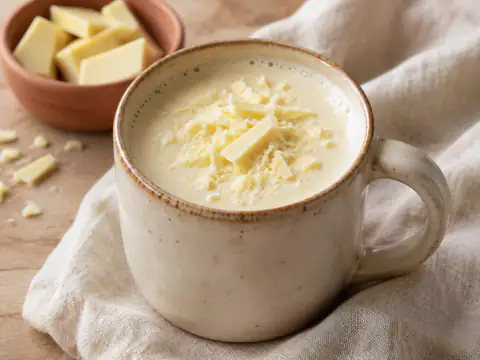
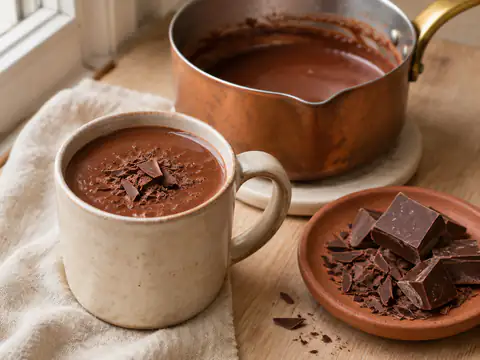
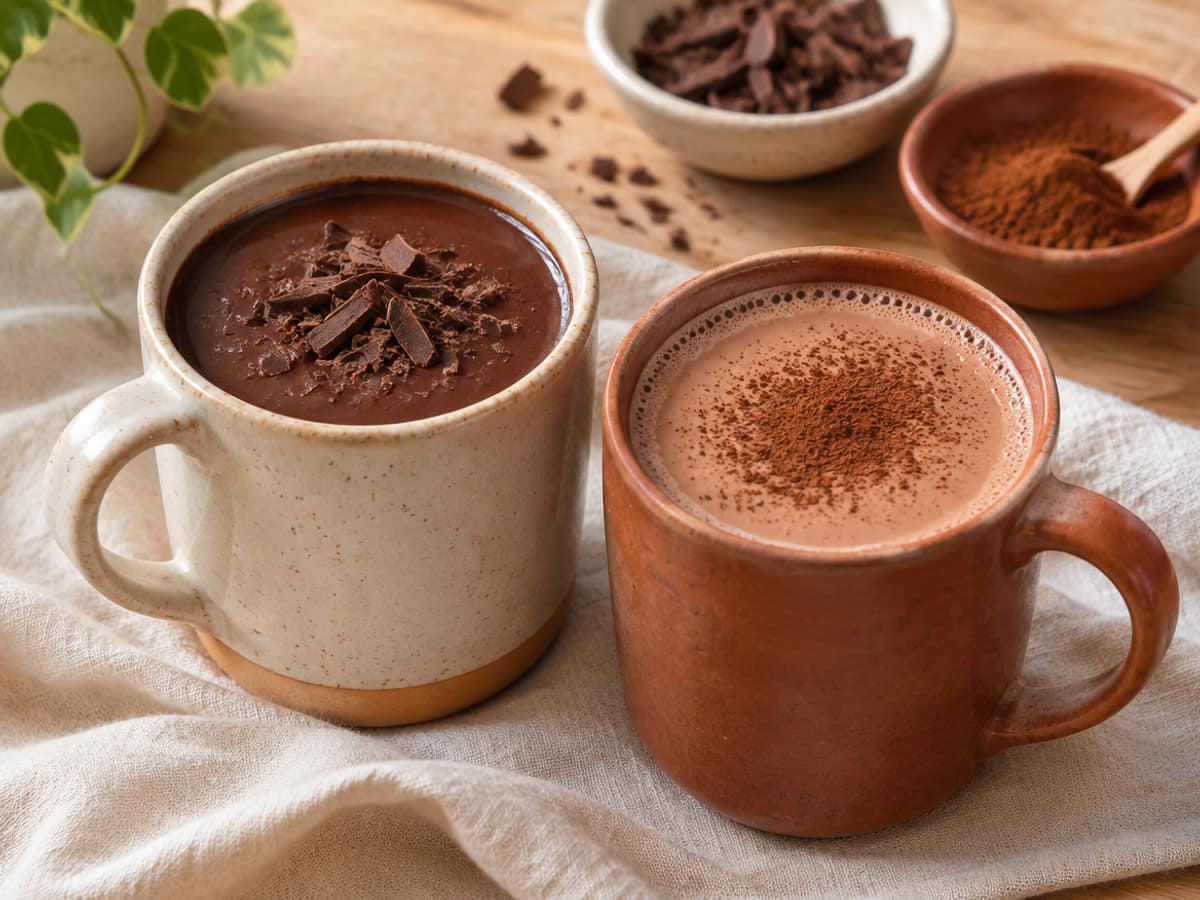
Hot chocolate is made from melted chocolate, and hot cocoa is made from cocoa powder. Chocolate brings cocoa butter, so hot chocolate is fuller and silkier. Cocoa powder has most of that fat removed, so hot cocoa is lighter and tastes more directly of cocoa. In everyday use the two names overlap, so the ingredient list tells you more than the name does.
| Hot chocolate | Hot cocoa | |
|---|---|---|
| Made from | Chopped or melted bar chocolate | Cocoa powder, usually with sugar |
| Fat and body | Full body from cocoa butter | Lighter, thinner body |
| Sweetness | Depends on the bar; you add more if needed | Unsweetened cocoa, so you set all the sweetness |
| Texture | Smooth, velvety, sometimes thick | Light, milky, a little more bitter |
| Method | Heat milk, then melt the chocolate in off the heat | Whisk cocoa with a little milk first, then add the rest |
| Often sold as | Bars, chips, thick drinking chocolate | Instant mix packets, canisters of cocoa |
| Good for | Slow sipping and small, rich cups | Quick mugs, big batches, kids’ drinks |
What each one is
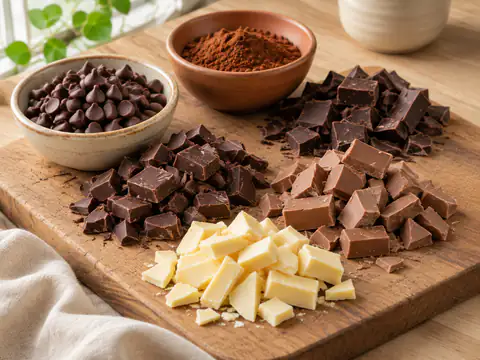
Cocoa powder is made from cacao nibs after part of the cacao fat has been pressed out. Under the FDA definition of cocoa, medium-fat cocoa holds at least 10 percent and less than 22 percent cacao fat. The definition of chocolate liquor, the ground nibs that go into bar chocolate, requires 50 to 60 percent cacao fat. Chocolate carries far more of the fat that makes a drink feel round, and cocoa carries more of the dry cocoa flavor.
Bar chocolate also has sugar and often milk solids in it. Cocoa powder is unsweetened, so a cup made with cocoa depends on the sugar you add. The types of baking chocolate guide covers bars, chips and percentages in detail.
How they taste and feel
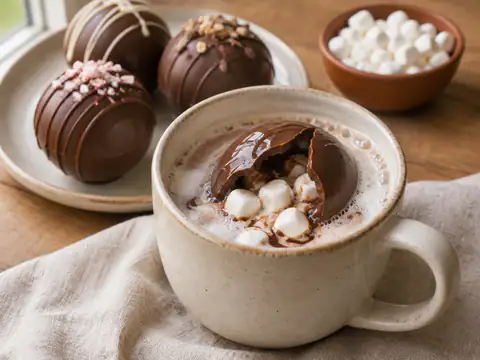
A cup of hot chocolate is smooth and coats the spoon. The flavor depends on the bar: a bittersweet bar gives a darker, less sweet cup, and a milk chocolate bar gives a sweeter, milder one. Hot cocoa tastes drier and sharper. It is the flavor most people expect from a packet, because mixes pair cocoa with sugar and often dry milk.
Neither one is better. They suit different moods. Hot chocolate is what you want in a small cup after dinner. Hot cocoa is what you make for six kids on a snow day.
Which to make
- Make hot chocolate when you want a rich, silky cup and have good chocolate on hand. Classic stovetop hot chocolate is the full recipe, with a ratio table.
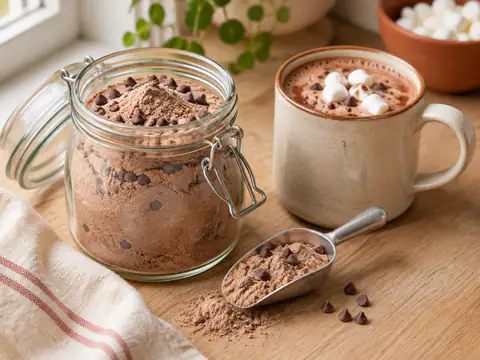
- Make hot cocoa when you have only a pantry canister of cocoa, or when you need many mugs quickly. A homemade hot cocoa mix keeps the work to one scoop per mug.
- Use both for body and depth: chocolate for body, cocoa for a deeper flavor. Several of the recipes in 15 hot chocolate recipes for cold days do this.
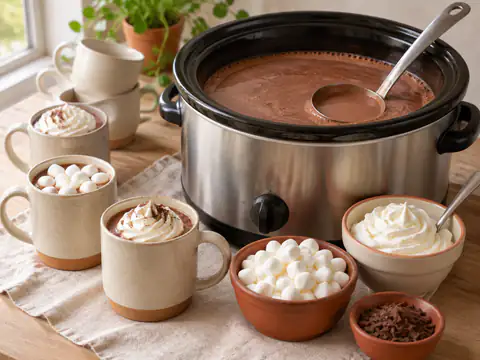
- Feeding a crowd? Slow cooker hot chocolate keeps a big pot warm for serving.
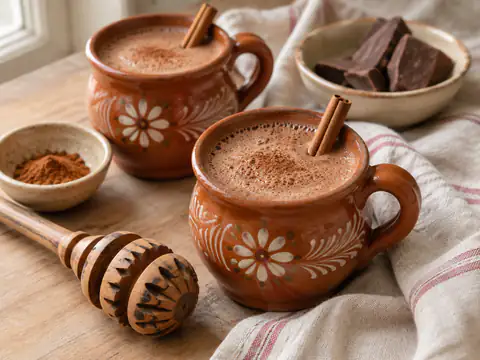
- Want spice? Mexican hot chocolate adds cinnamon and a foamy top.
Choosing the cocoa
Both natural and Dutch-process cocoa work in a drink. Dutch-process gives a darker color and a smoother, milder taste. Natural cocoa tastes brighter and a little sharper. In a drink there is no leavening to think about, so the choice is only about taste. Natural vs Dutch-process cocoa powder explains the difference.
Dairy-free versions
Either drink works with a plant milk. Choose an unsweetened one and taste before you add sugar, because some brands are already sweet. Chocolate bars vary, too: some dark chocolate is made without milk, and the ingredient list will say so.
Serving
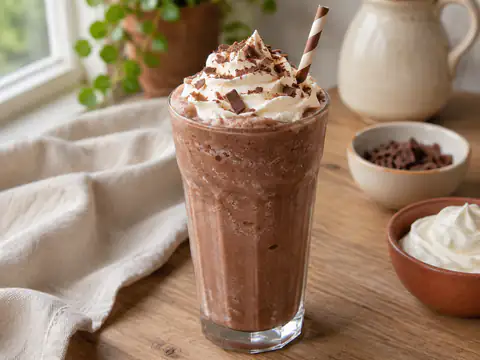
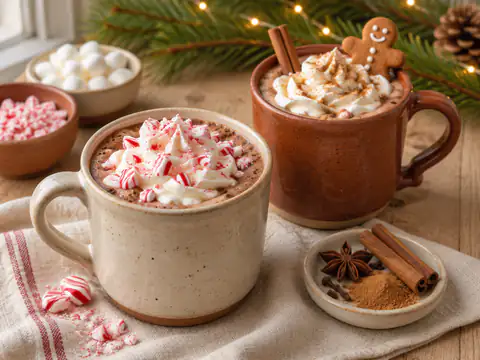
Serve either drink steaming, not boiling, and give it a minute before the first sip. Marshmallows, whipped cream and shaved chocolate go on at the last second, because marshmallows melt into the surface fast. Whisk the drink just before pouring to break up any skin.
Why the methods differ
Chocolate melts, so it only needs gentle heat. Add it to hot milk off the heat and whisk, because chocolate that gets too hot can turn grainy. Cocoa powder does not melt. It is a dry powder that repels liquid at first, and the lumps float if you drop it straight into hot milk. That is why a cocoa recipe starts with a paste: whisk the cocoa and sugar with a little milk to wet every particle, then add the rest of the milk. Instant mixes get around this with ingredients that dissolve easily, which is why you can stir a packet straight into hot water.
Both drinks scorch if the milk boils, and both form a skin if they sit. Heat the milk until it steams, and stop there.
Reading a label
If you are unsure what a box labeled “hot chocolate” contains, read the ingredients. A mix that starts with sugar and cocoa is a hot cocoa mix, whatever the name says. A product that lists chocolate, sugar and cocoa butter is closer to hot chocolate. Also look for dry milk, which is common in cocoa mixes and means you can stir the mix into hot water instead of hot milk.
For all cakes, cookies and drinks, see the chocolate desserts and hot chocolate hub.
Questions and answers
Is hot cocoa the same as hot chocolate?
Not exactly. Hot chocolate is made from melted chocolate, so it has more cocoa butter and a fuller body. Hot cocoa is made from cocoa powder, so it is lighter. In everyday use the two names overlap, so check the ingredients.
Which one is thicker?
Hot chocolate, because chocolate carries the cocoa butter that gives a cup its body. Cocoa powder has most of that fat removed.
Can I make hot chocolate without cocoa powder, or hot cocoa without chocolate?
Yes to both. A cup made only from chopped chocolate is smooth and rich. A cup made only from cocoa powder, sugar and milk is lighter and more bitter. Using both gives body and a deeper chocolate flavor.
Sources
- 21 CFR 163.111 Chocolate liquor — U.S. Food and Drug Administration, via Cornell Legal Information Institute
- 21 CFR 163.113 Cocoa — U.S. Food and Drug Administration, via Cornell Legal Information Institute