
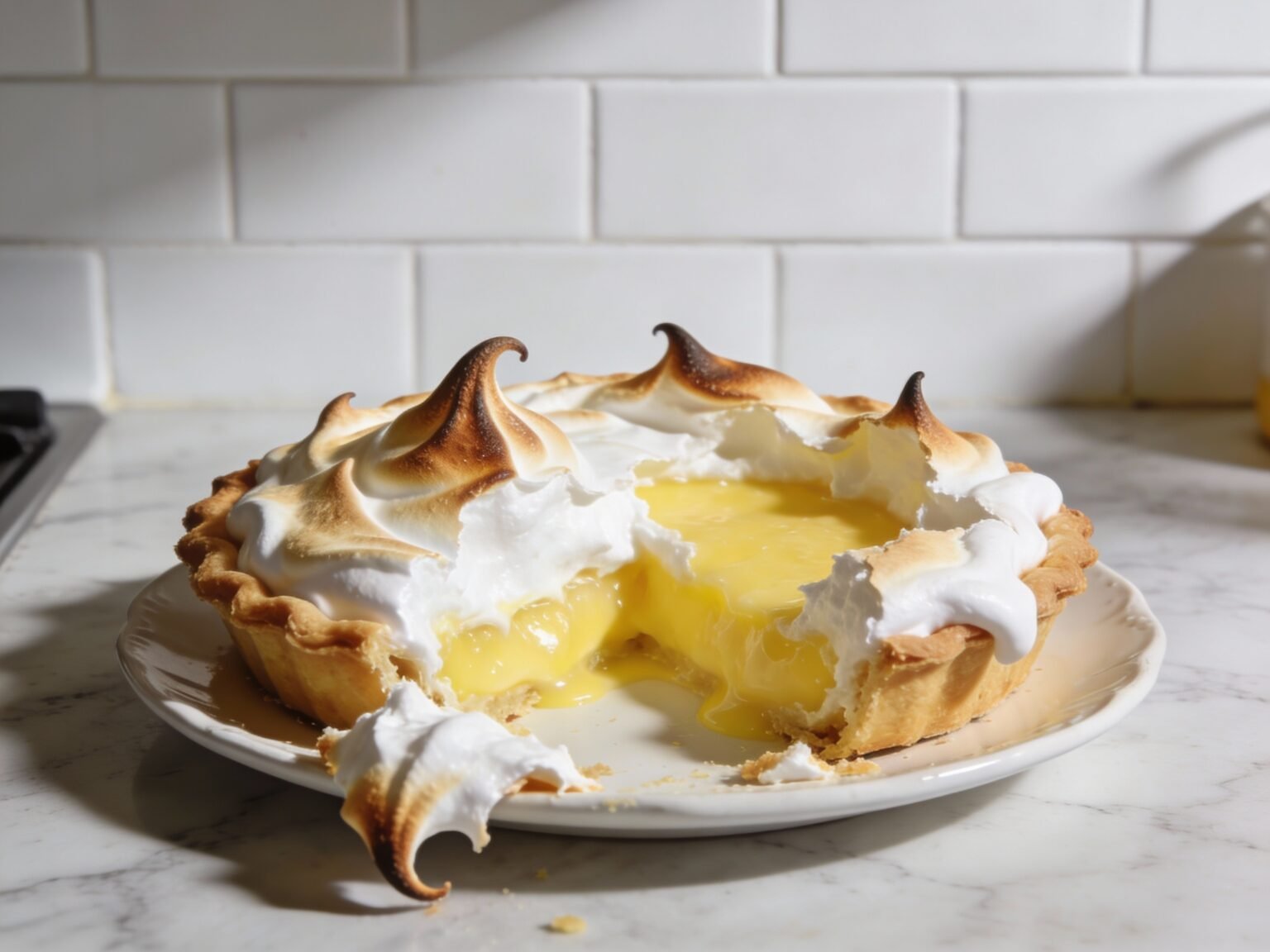

I still remember the first time I attempted a classic lemon meringue pie. I was twenty-two, ambitious, and completely unaware of the chemistry happening inside my mixing bowl. I whipped the egg whites until my arm ached, watched them rise into what looked like billowy clouds, and proudly topped my lemon curd. But an hour later, disaster struck. The beautiful peaks had wept into a sad, sugary puddle, sliding right off the pie. It wasn’t a dessert; it was a tragedy.
- What Is Cream of Tartar?
- Why This Works: The Science of Acidity
- Deep Dive: Ingredient Breakdown
- Ingredient Notes
- Common Misconceptions
- Equipment You Need
- Visual Walkthrough: How to Use Cream of Tartar
- Troubleshooting (Common Mistakes)
- Storage & Freezing
- The Formal Recipe Card: DIY Baking Powder & Usage Guide
- Ingredients:
- Instructions:
- Frequently Asked Questions about Cream of Tartar
- Conclusion
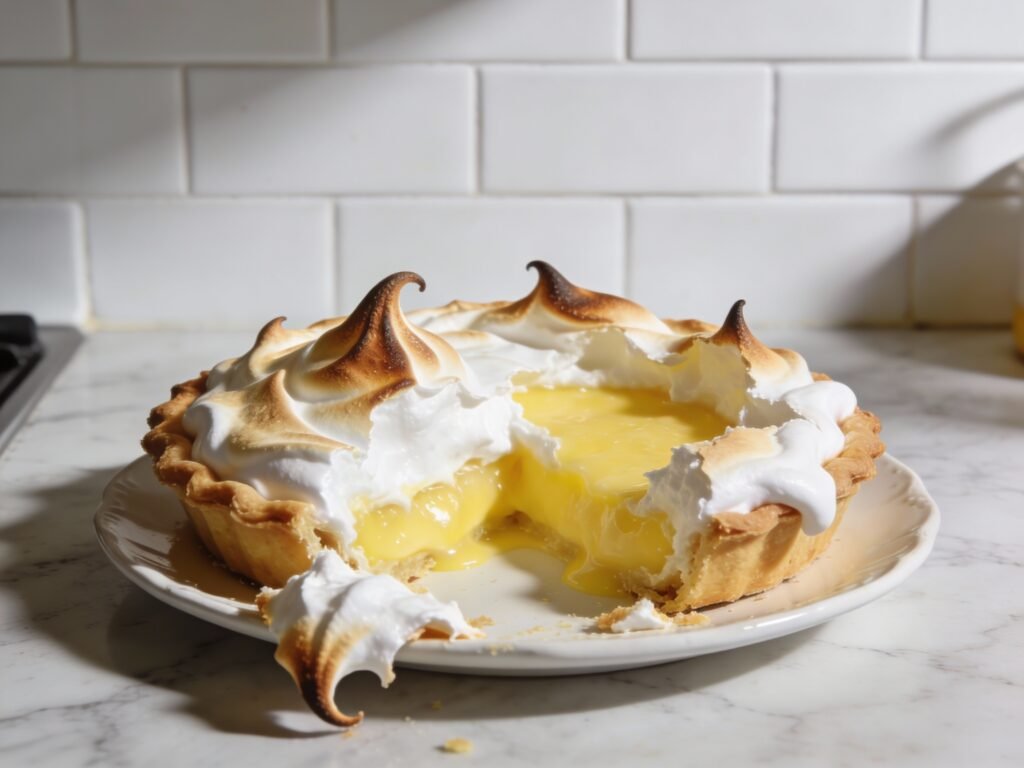
What went wrong? I had skipped the “pinch of white powder” the recipe called for, assuming it was optional. That powder was cream of tartar.
In my 20 years of recipe development since that day, I have learned that this humble, snowy-white powder is the unsung hero of the baking aisle. It is the secret structural engineer behind the tallest angel food cakes, the chewiest Snickerdoodles, and the glossiest meringues. It isn’t just a “nice-to-have”—it is a chemical necessity that transforms “good” baking into “professional” baking.
Whether you are staring at a jar of McCormick cream of tartar wondering if it’s expired, or frantically searching your pantry because a recipe calls for baking soda plus cream of tartar, you are in the right place. Today, we aren’t just making a recipe; we are mastering an ingredient. By the end of this guide, you will understand exactly how to wield this acidic powerhouse to control texture, volume, and flavor in your kitchen.
What Is Cream of Tartar?
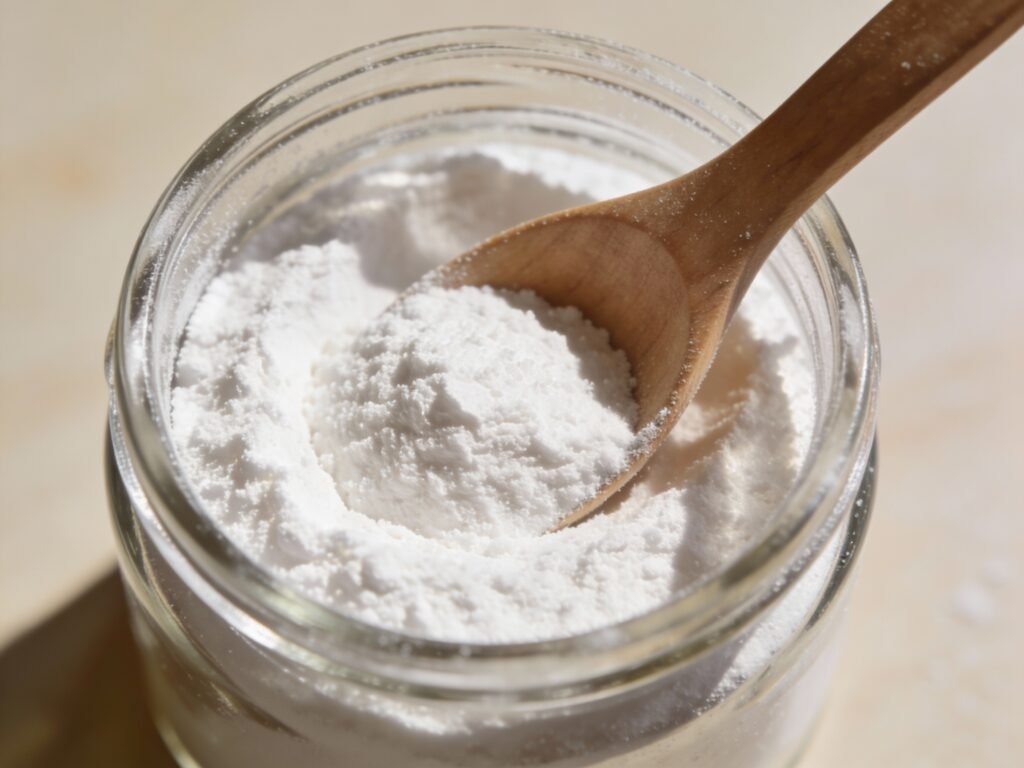
Cream of tartar, technically known as potassium bitartrate, is a natural acidic byproduct of winemaking. During wine fermentation, tartaric acid crystallizes along the inside of wine barrels. These crystals are collected, purified, and ground into the fine white powder found in the spice aisle.
Despite its name, cream of tartar contains no dairy. It is purely an acidic salt used for:
- Stabilizing egg whites
- Activating baking soda
- Preventing sugar crystallization
- Improving texture in baked goods
Why This Works: The Science of Acidity
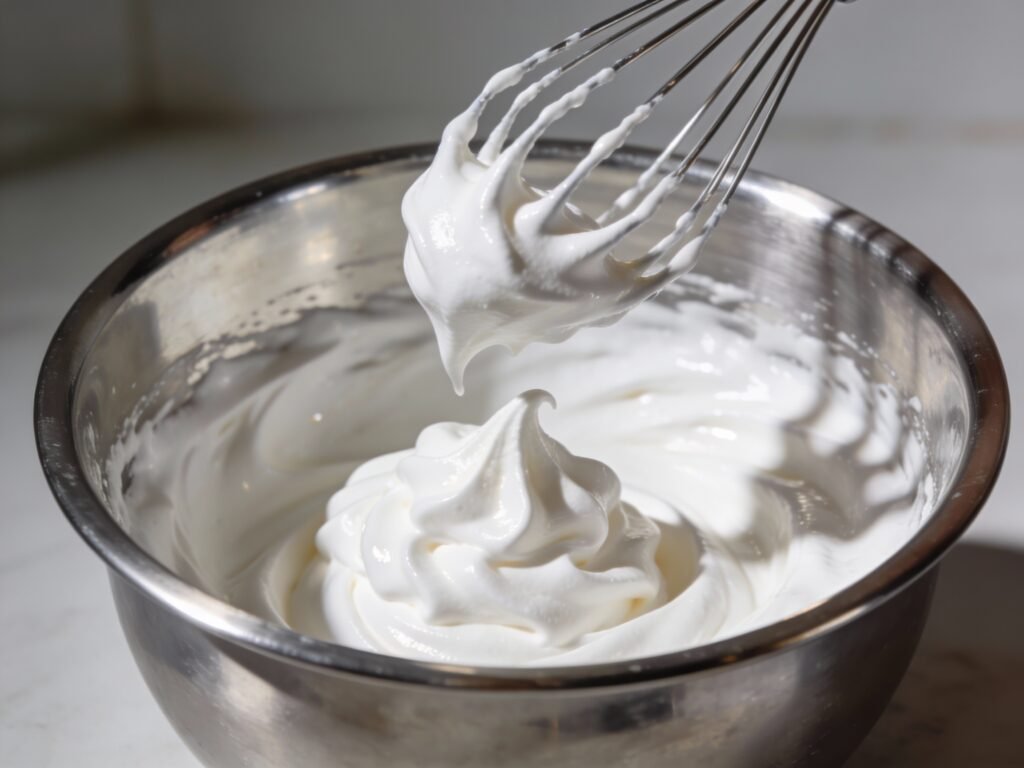
Cream of tartar is not a leavener on its own, nor is it a flavor enhancer in the traditional sense. It works because it is a precision tool for controlling pH. Here is why it is non-negotiable in professional kitchens:
- Protein Stabilization:
- When you whip egg whites, you are unravelling protein strands. Without acid, these strands bond too tightly and squeeze out water (the “weeping” I experienced).
- Cream of tartar adds hydrogen ions, preventing the proteins from bonding too quickly. This creates a flexible, stable foam that holds air for hours.
- Leavening Activation:
- It is the “battery” for baking soda. Baking soda is alkaline; it needs acid to react and create carbon dioxide bubbles. Cream of tartar provides that instant acidic kick, which is why baking powder and cream of tartar are essentially siblings (more on that later).
- Crystallization Inhibition:
- Have you ever had homemade caramel turn grainy? That is sugar molecules snapping back together into crystals.
- The acidity in cream of tartar breaks down sucrose into glucose and fructose, effectively “blocking” crystals from forming. This results in smooth syrups and creamy frostings.
Deep Dive: Ingredient Breakdown
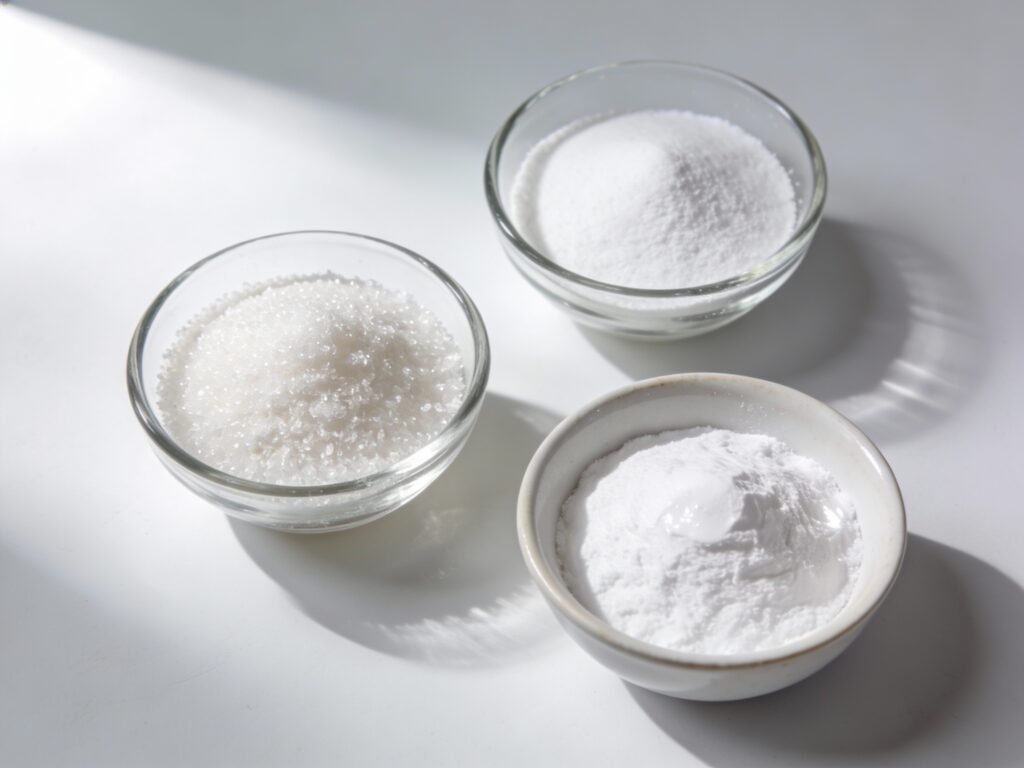
To master the use of this ingredient, we need to understand exactly what is in the jar.
Ingredient Notes
- Cream of Tartar (Potassium Bitartrate):
- This is actually a byproduct of winemaking. It forms as a sediment (crystals) inside wine barrels during fermentation. Once purified and ground, it becomes the fine white powder we know.
- Brand Matters: I strictly use McCormick cream of tartar or other high-quality spice brands. Why? Cheaper generic brands can sometimes be coarser or contain fillers. For delicate tasks like meringue, you need a powder that dissolves instantly.
- Baking Soda (Sodium Bicarbonate):
- You will often see baking powder with cream of tartar listed as a substitute, but the magic happens when you mix cream of tartar with pure baking soda.
- Pro Tip: Ensure your baking soda is fresh. If you mix it with cream of tartar and water and it doesn’t fizz aggressively, throw it out.
- Cornstarch (Optional):
- If you are making your own baking powder cream of tartar blend to store, you need cornstarch. It acts as a desiccant, absorbing moisture from the air so your acid and base don’t react in the jar before they hit the oven.
Common Misconceptions
- “Cream and Tartar”:
- I often hear people ask for “cream and tartar.” It is important to note this is a single ingredient (Cream of Tartar), not a mix of cream and a sauce!
- Health Benefits:
- While we are here for the cookies, it is worth noting that cream of tartar is packed with potassium. There is old lore about it helping with migraines or quitting smoking, but scientifically, its main biological impact is providing a significant dose of potassium (though I don’t recommend eating spoonfuls of it!).
Equipment You Need
Since we are dealing with chemistry, precision is key.
- Digital Scale:
- Essential for measuring grams if you are making large batches of baking powder.
- Measuring Spoons (Stainless Steel):
- Because we often use 1/8 teaspoon or 1/4 teaspoon, standard cheap plastic spoons are often inaccurate. Use deep stainless steel spoons.
- Fine Mesh Sieve:
- Cream of tartar loves to clump. Always sift it before adding it to egg whites to avoid sour white specks in your meringue.
- Small Whisk:
- For blending your homemade baking powder thoroughly.
Visual Walkthrough: How to Use Cream of Tartar
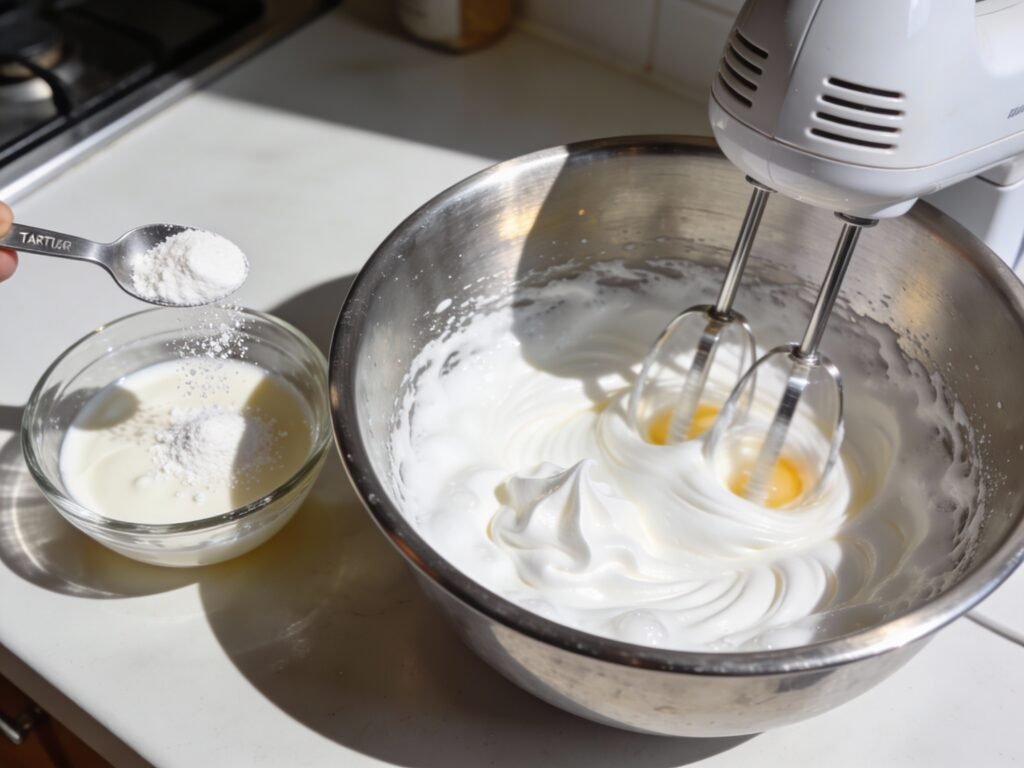
Let’s walk through the three most critical ways you will use this ingredient. Imagine we are in the kitchen together.
Scenario A: The Homemade Leavener (Baking Powder)
You have a recipe calling for baking powder, but the tin is empty. You have baking soda and cream of tartar.
- Measure: We use a 2:1 ratio. I take 2 parts cream of tartar and 1 part baking soda.
- The Fizz Test: To prove it works, I drop a pinch of this mixture into hot water. Whoosh! It bubbles violently. That is the carbon dioxide that will lift your muffins.
- The Result: You have effectively created single-acting baking powder.
Scenario B: The Perfect Meringue
We are making a pavlova.
- The Froth: We start whipping the egg whites on low speed. Once they look like foamy sea water (frothy but clear), that is the “Structure Moment.”
- The Addition: I sprinkle in the cream of tartar—just 1/8 teaspoon per egg white.
- The Transformation: Suddenly, the whites turn opaque and glossy. They tighten up. You can hold the bowl upside down over your head (a classic chef trick), and nothing moves. Without the tartar, gravity would win.
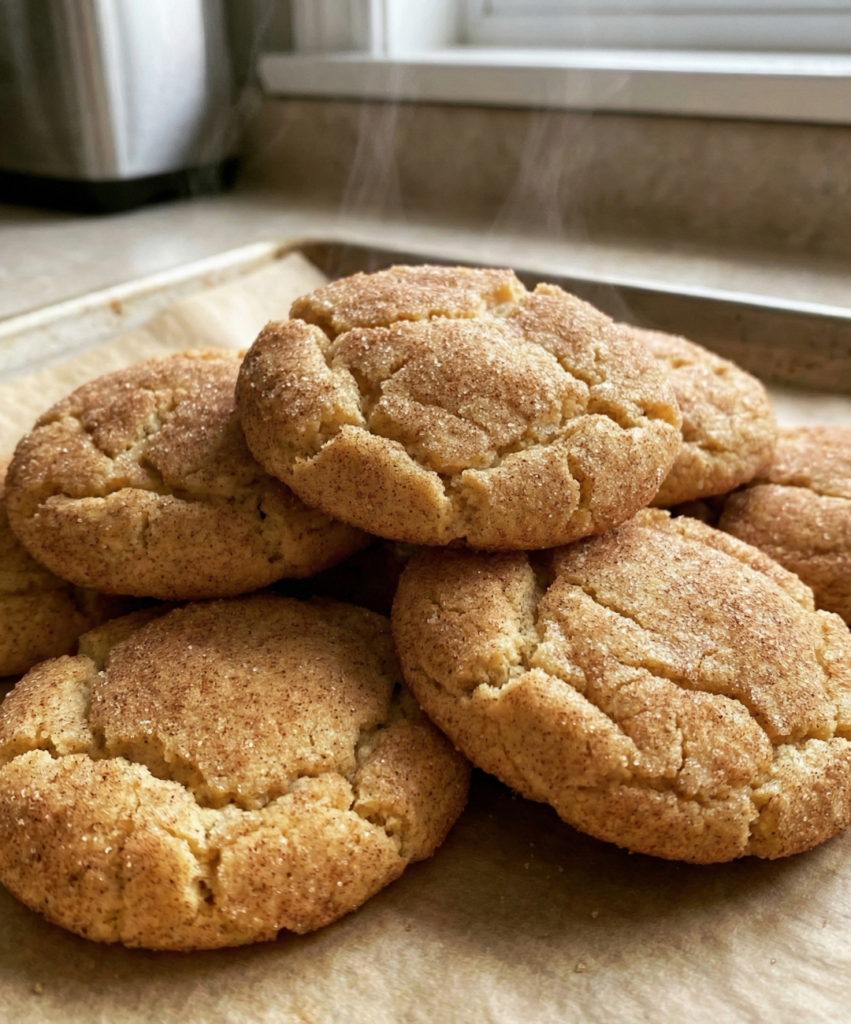
Scenario C: The Chewy Cookie (Snickerdoodles)
- The Tang: In a Snickerdoodle, cream of tartar does two things. It reacts with soda to puff the cookie, but it also leaves a residual metallic “tang” that cuts through the cinnamon sugar.
- The Chew: The acidity prevents the gluten in the flour from getting too tough, while preventing the sugar from recrystallizing, keeping the cookie soft and chewy for days rather than crispy. The Chew: In a Snickerdoodle, cream of tartar does two things. It reacts with soda to puff the cookie, but it also leaves a residual metallic “tang” that cuts through the cinnamon sugar. The acidity prevents the gluten in the flour from getting too tough, while preventing the sugar from recrystallizing, keeping the cookie soft and chewy for days rather than crispy. If you want to see this in action, try it in my Pillowy Soft Snickerdoodles from the chewy cookie collection.
Troubleshooting (Common Mistakes)
Even with a magic powder, things can go wrong. Here is how to fix them:
- Problem: My baked goods have a metallic, soapy taste.
- Cause: You likely used too much baking soda or not enough cream of tartar. If the ratio is off, unreacted soda remains in the dough, which tastes like soap.
- Fix: Ensure you use the correct baking soda plus cream of tartar ratio (2:1 by volume of tartar to soda).
- Problem: My meringue has little brown beads on the surface.
- Cause: This is called “beading,” caused by overcooking or undissolved sugar, but often it’s a sign of instability.
- Fix: Don’t skip the tartar! It helps prevent this moisture loss.
- Problem: Can I use baking powder for cream of tartar?
- Answer: This is tricky. If a recipe calls for just cream of tartar (like meringue), no. Baking powder contains baking soda, which will ruin the meringue. If a recipe calls for cream of tartar and baking soda (like cookies), yes, you can substitute baking powder.
Storage & Freezing
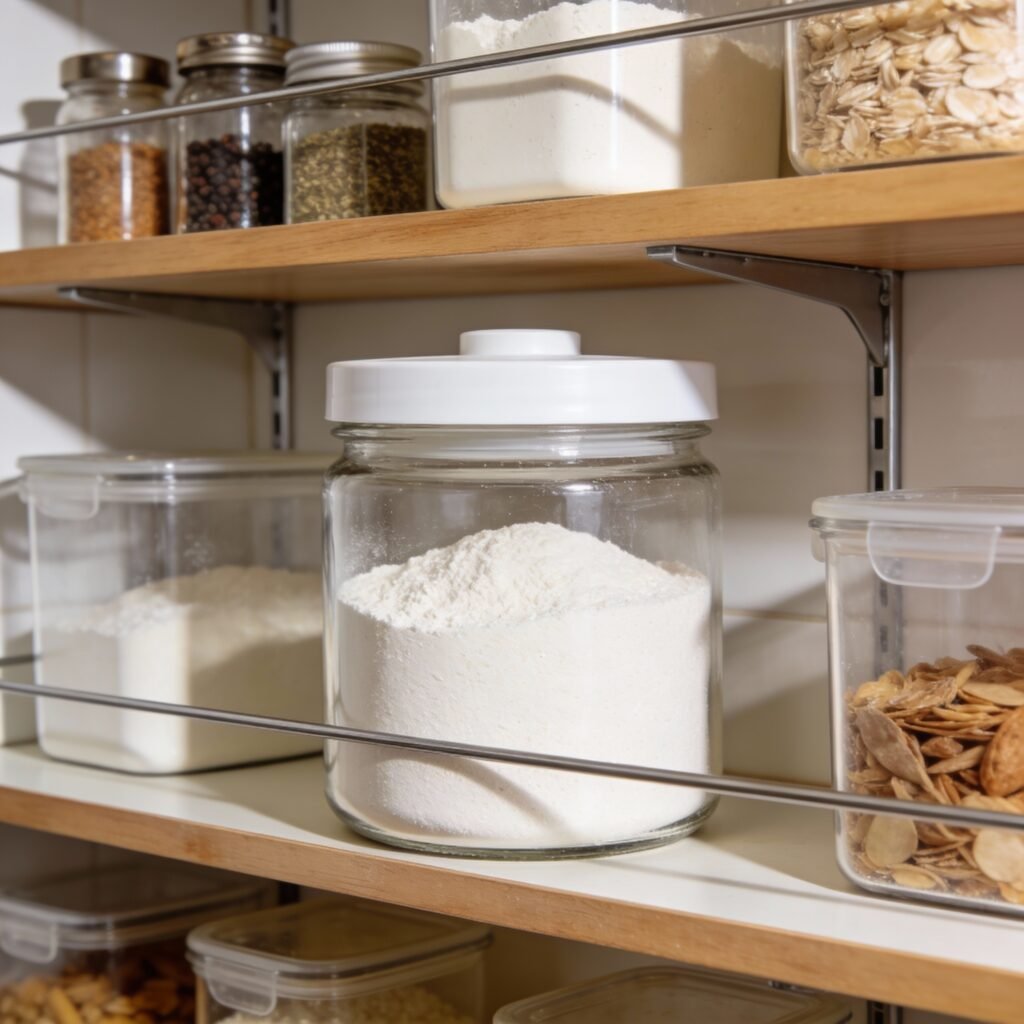
- Shelf Life: Cream of tartar effectively lasts forever. As long as it is kept dry, it does not spoil.
- The Clump Factor: It is highly hydroscopic (water-loving). If you live in a humid area, keep it in a jar with a tight seal, not a cardboard box.
- Freezing: You do not freeze the powder itself, but baked goods made with cream of tartar (like angel food cake) freeze exceptionally well because the stable air bubbles resist collapsing during the thaw.
The Formal Recipe Card: DIY Baking Powder & Usage Guide
While cream of tartar is an ingredient, the most practical “recipe” for it is making your own baking powder. This is the master formula professional bakers memorize.
- Meta Data:
- Prep Time: 2 minutes
- Cook Time: 0 minutes
- Total Time: 2 minutes
- Yields: 1 Tablespoon (approx. 12g)
- Nutrition:
- Calories: 5 kcal
- Carbohydrates: 2g
- Protein: 0g
- Fat: 0g
Ingredients:
- For Homemade Baking Powder:
- 1 teaspoon (3g) Baking Soda (Sodium Bicarbonate)
- 2 teaspoons (6g) Cream of Tartar (Potassium Bitartrate)
- 1 teaspoon (2g) Cornstarch (Optional – prevents caking for storage)
- For Stabilizing Egg Whites (Meringue/Angel Food Cake):
- 1/8 teaspoon (0.5g) Cream of Tartar per 1 Large Egg White
- Best Substitutes (If you have no Cream of Tartar):
- Lemon Juice: Use 2 teaspoons (10ml) Lemon Juice for every 1 teaspoon (3g) Cream of Tartar.
- White Vinegar: Use 2 teaspoons (10ml) White Vinegar for every 1 teaspoon (3g) Cream of Tartar.
- Baking Powder: If recipe calls for Baking Soda + Tartar, simply use Baking Powder (Replace the soda/tartar combo 1:1).
Instructions:
- Prepare the Mixture (For Baking Powder):
- In a small dry bowl, combine the baking soda and cream of tartar.
- If you plan to store this for more than a day, add the cornstarch. This absorbs ambient moisture and prevents the acid and base from reacting prematurely in the jar.
- Sift:
- Using a small fine-mesh sieve, sift the ingredients together three times. This ensures the baking powder cream of tartar distribution is perfectly even, preventing “hot spots” in your cake that could taste sour or bitter.
- Test (Optional):
- To ensure your ingredients are active, drop a pinch of the mixture into hot water. It should bubble vigorously immediately.
- Storage:
- Transfer to a small, airtight jar (glass is best). Label it clearly with the date. Store in a cool, dry cupboard away from the stove.
- Usage (For Meringue):
- When beating egg whites, add the cream of tartar once the whites reach the “foamy” stage (after about 1 minute of beating). Do not add it at the very end, or it won’t stabilize the protein matrix correctly.
Frequently Asked Questions about Cream of Tartar
Q: Is “Cream of Tartar” made from dairy or cream?
A: No, absolutely not! This is the most common misconception. Despite the name, cream and tartar have nothing to do with each other. It is 100% vegan and dairy-free. It is actually a powdered acid (potassium bitartrate) that naturally forms inside wine barrels during fermentation. The “cream” in the name refers to the chemical refinement process, not a cow!
Q: What is the best substitute if I run out mid-recipe?
A: If you are in a pinch, acid is your best friend.
- For beating egg whites: Use an equal amount of lemon juice or white vinegar (e.g., 1/2 tsp lemon juice for 1/2 tsp cream of tartar). It might add a tiny flavor note, but the structure will hold.
- For baking (cookies/cakes): If the recipe calls for baking soda plus cream of tartar, you can replace both with store-bought baking powder. However, this alters the texture slightly, so expect a softer, cake-like crumb rather than a chewy one.
Q: Can I use baking powder for cream of tartar?
A: It depends on what you are making.
- If making Meringue: No. Baking powder contains baking soda, which will collapse your egg foam. You strictly need the acidity of cream of tartar (or lemon juice).
- If making Cookies/Cake: Yes, conditionally. If your recipe calls for both baking soda and cream of tartar, these two effectively make baking powder. You can swap them out for pre-mixed baking powder, but you’ll lose that signature tang found in recipes like Snickerdoodles.
Q: Does cream of tartar expire?
A: Technically, no. Unlike baking powder, which can lose its potency over time because it contains reactive ingredients mixed together, pure cream of tartar is a stable mineral salt. As long as you keep it dry and away from heat, that jar of McCormick cream of tartar in your pantry is likely good for years. If it clumps, just mash it up; it’s still safe to use.
Q: Why do Snickerdoodles specifically require it?
A: While you can make Snickerdoodles without it, I wouldn’t recommend it! The cream of tartar does two vital things: it gives the cookie its distinctively tangy, slightly metallic flavor profile, and it prevents the sugar from crystallizing, which keeps the cookie chewy rather than crispy. Without it, you’re just eating a cinnamon sugar butter cookie.
Q: Can I use it for cleaning?
A: Surprisingly, yes! Because it is acidic, it’s a fantastic non-toxic cleaner. I often mix it with a little vinegar to make a paste for scrubbing stubborn stains off my aluminum baking sheets or copper pots. It works like magic on rust and burnt-on grease.
Conclusion
Whether you are mastering the perfect snickerdoodle or simply need to clean a copper pan (yes, it does that too!), cream of tartar is a powerhouse. It is the difference between a “home cook” attempt and a “bakery quality” result.
So, check your pantry. If that jar of McCormick cream of tartar has been sitting there since 1999, treat yourself to a fresh one. Your meringues will thank you, your cakes will rise higher, and you will never fear a weeping pie again.
Now I want to hear from you! Have you ever had a meringue disaster because you skipped this ingredient? Let me know in the comments below