
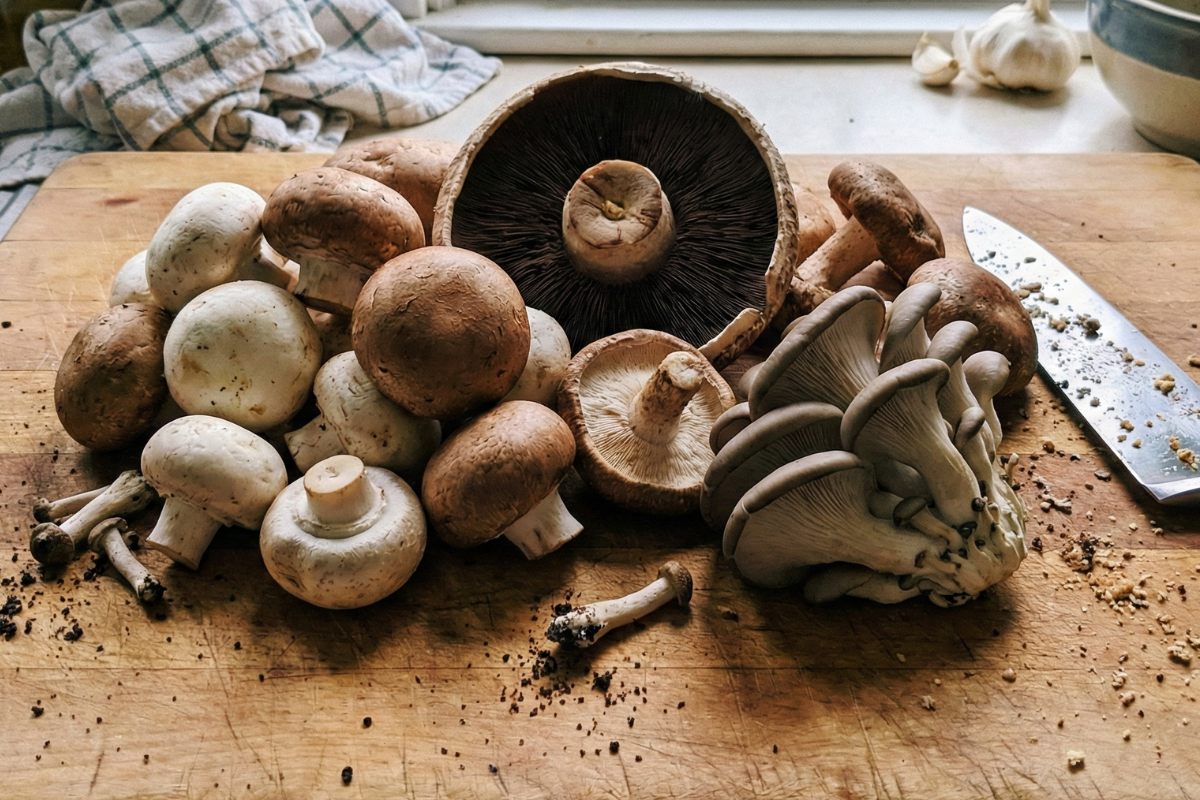

When a recipe simply says “add mushrooms,” it can feel vague and unhelpful. As the person behind this site, I want to make it easier for you by breaking down the main types of mushrooms for cooking, how they taste, and when to use them. Once you understand the basics, you’ll be able to swap varieties confidently and instantly upgrade your favorite recipes.
- Why Mushroom Variety Matters
- 1. White Button Mushrooms
- 2. Cremini (Baby Bella) Mushrooms
- 3. Portobello Mushrooms
- 4. Shiitake Mushrooms
- 5. Oyster Mushrooms
- 6. King Oyster Mushrooms
- 7. Enoki Mushrooms
- 8. Maitake (Hen of the Woods)
- 9. Porcini Mushrooms (Usually Dried)
- How to Choose and Store Mushrooms
- Frequently Asked Questions About Cooking Mushrooms
- Ready to Cook with Mushrooms Like a Pro?
Why Mushroom Variety Matters
- Different mushrooms have different levels of umami, sweetness, and earthiness, so they change the flavor profile of a dish.
- Some turn silky and tender, while others stay firm and “meaty,” which is especially useful in vegetarian and vegan cooking.
- Knowing a few key varieties helps you choose the right mushroom for pasta, casseroles, stir-fries, and soups.
If you’ve ever wondered why restaurant mushroom dishes taste deeper and more complex, this is a big part of the answer.
1. White Button Mushrooms
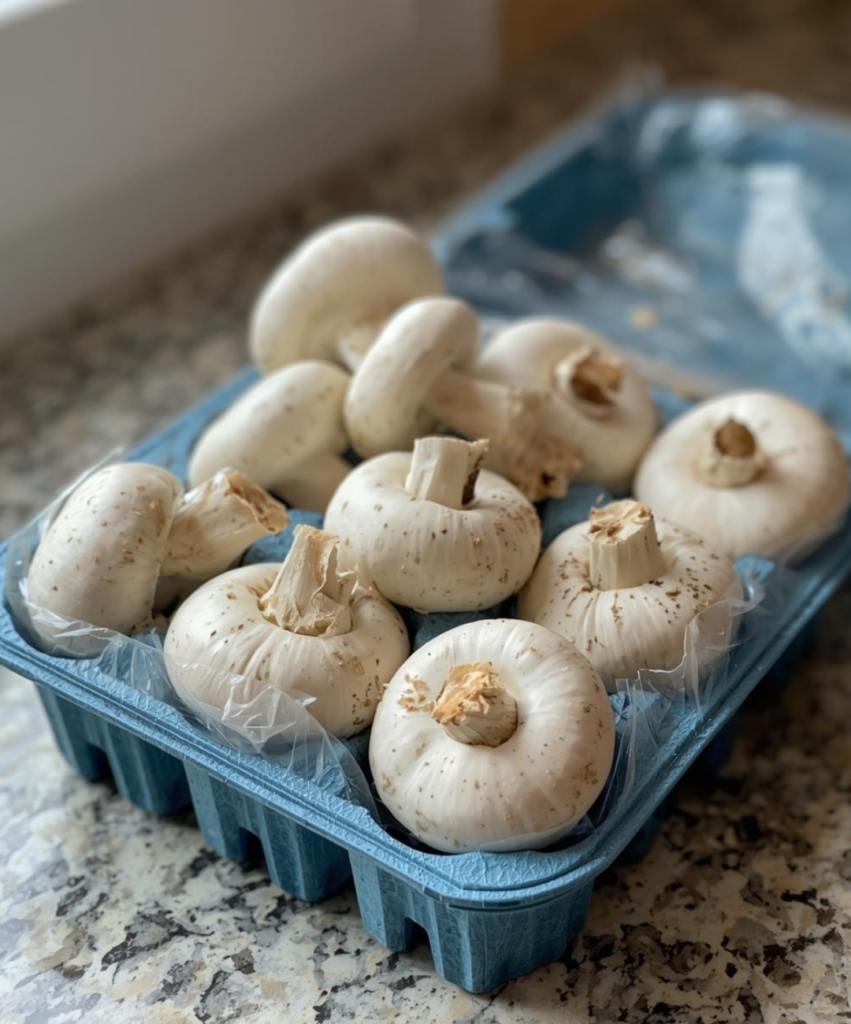
White button mushrooms are the classic supermarket mushrooms most of us grew up with.
- Flavor & texture: Mild, lightly earthy, with a soft, tender bite once cooked.
- Best uses:
- Everyday sautés for omelets and pizzas
- Simple pasta sauces
- Raw in salads when sliced thin
If a recipe doesn’t specify a type, white button mushrooms are usually a safe and affordable choice.
2. Cremini (Baby Bella) Mushrooms
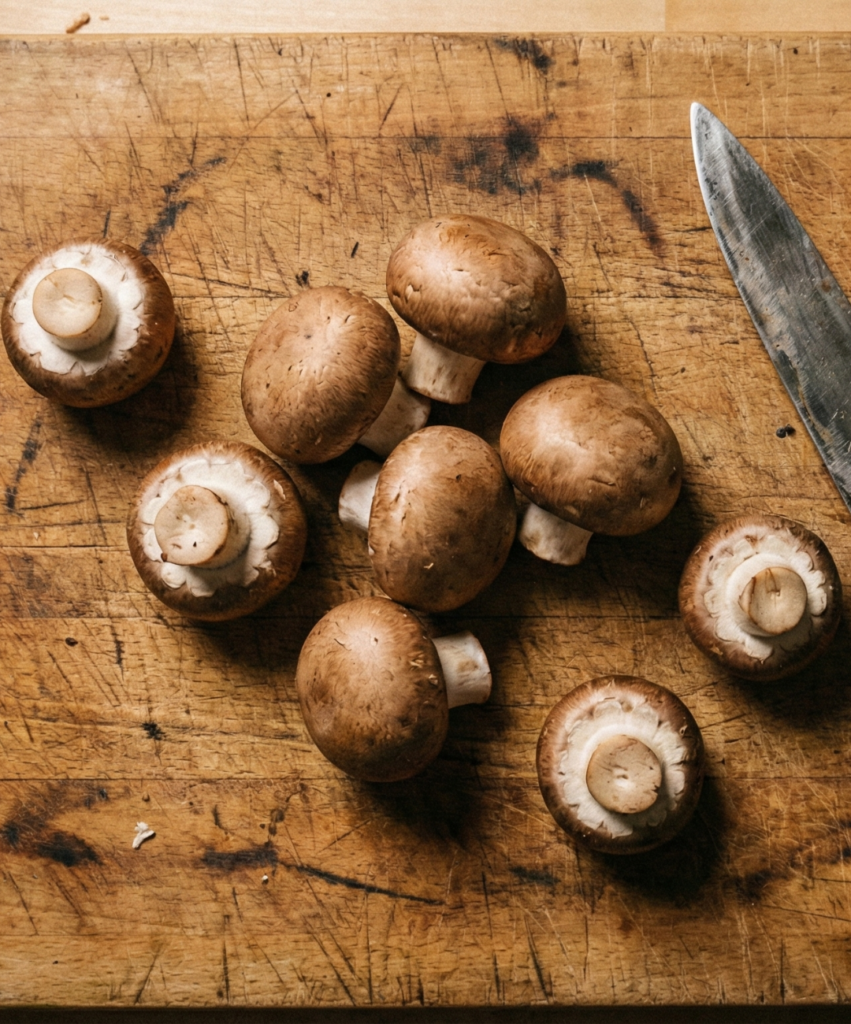
Cremini mushrooms are essentially the more mature, brown version of white buttons. They’re one of my personal favorites for savory recipes.
- Flavor & texture: Deeper, more robust, and earthier than white buttons, with a slightly firmer texture.
- Best uses:
- Rich sauces and gravies
- Casseroles (including a homemade green bean casserole)
- Beef, chicken, and vegetarian skillet dishes
Whenever you want more flavor without going too strong, cremini are a fantastic upgrade from white buttons.
3. Portobello Mushrooms
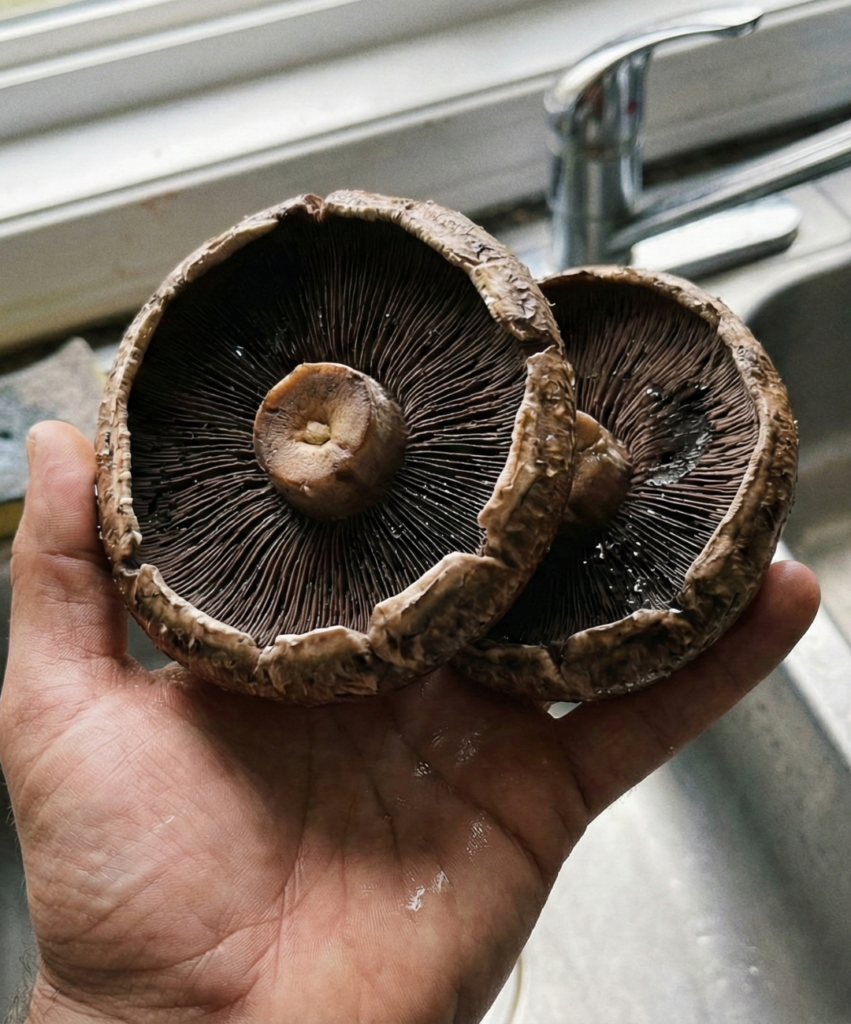
Portobellos are simply fully grown cremini mushrooms with wide, open caps.
- Flavor & texture: Meaty, robust, and slightly smoky when grilled or roasted.
- Best uses:
- Grilled as a burger replacement
- Stuffed with cheese, grains, or vegetables
- Sliced into grain bowls and salads
Because of their size and structure, portobellos are one of the best mushrooms to use as a satisfying plant-based “steak” or burger.
4. Shiitake Mushrooms
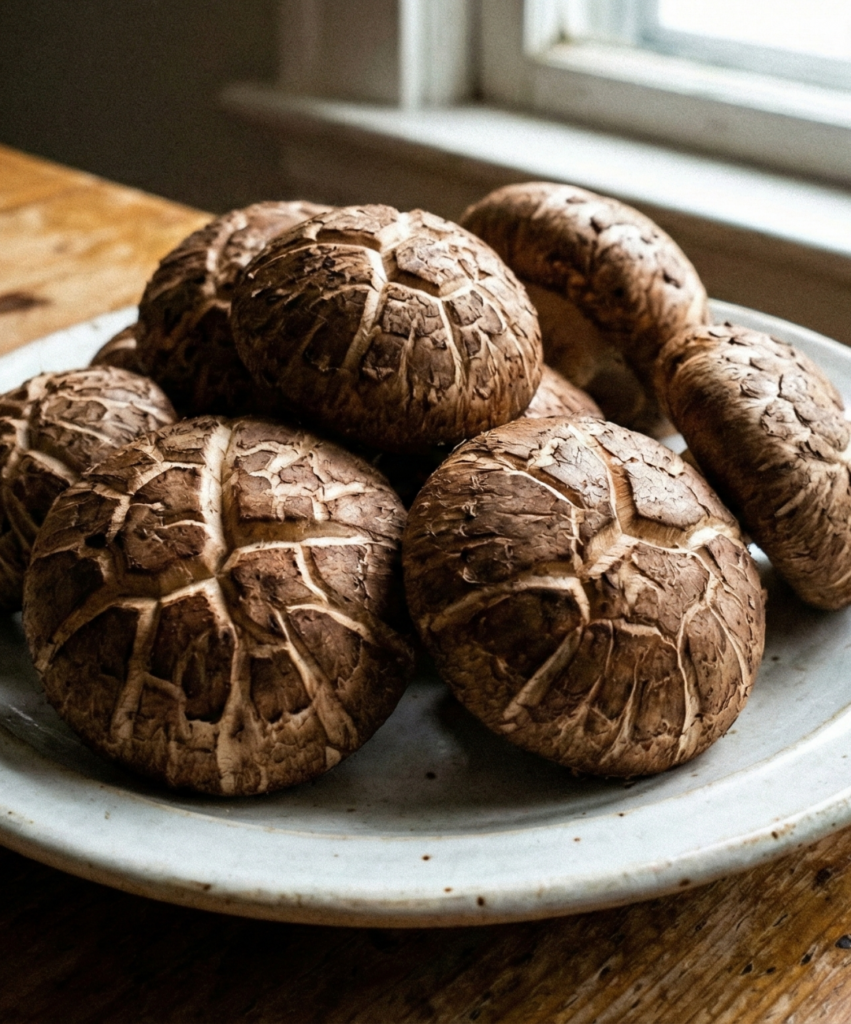
Shiitake mushrooms are common in East Asian cooking and are now widely available fresh or dried.
- Flavor & texture: Deep, savory, and slightly woodsy, with a chewy, satisfying cap.
- Best uses:
- Stir-fries and noodle bowls
- Broths, ramen, and miso soup
- Mixed with other mushrooms for layered flavor
Remove the stems (they’re tough), but don’t throw them away—save them in a bag in the freezer to add to homemade stock.
5. Oyster Mushrooms
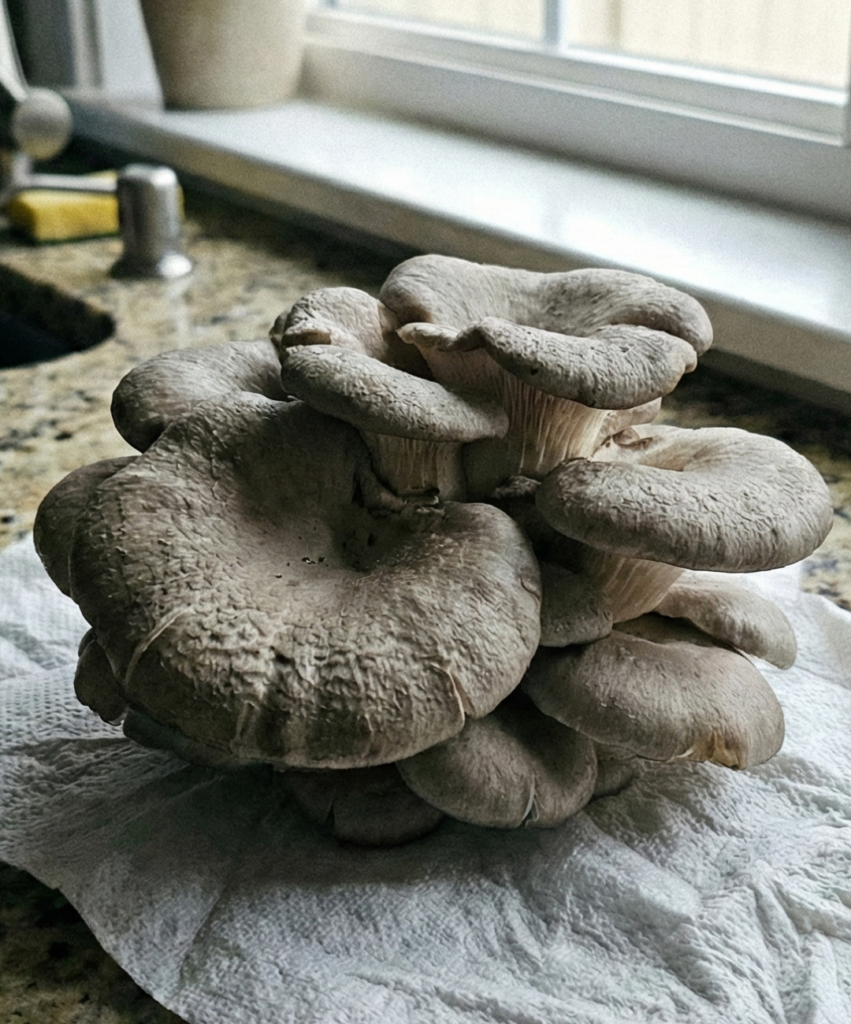
Oyster mushrooms have delicate, fan-shaped caps that cook quickly.
- Flavor & texture: Mild, slightly sweet, with a tender, almost silky texture.
- Best uses:
- Quick sautés and stir-fries
- Pasta dishes
- Shredded and pan-fried as a light meat alternative
Try tearing them into strips instead of slicing; this gives you rustic pieces that brown nicely in the pan.
6. King Oyster Mushrooms
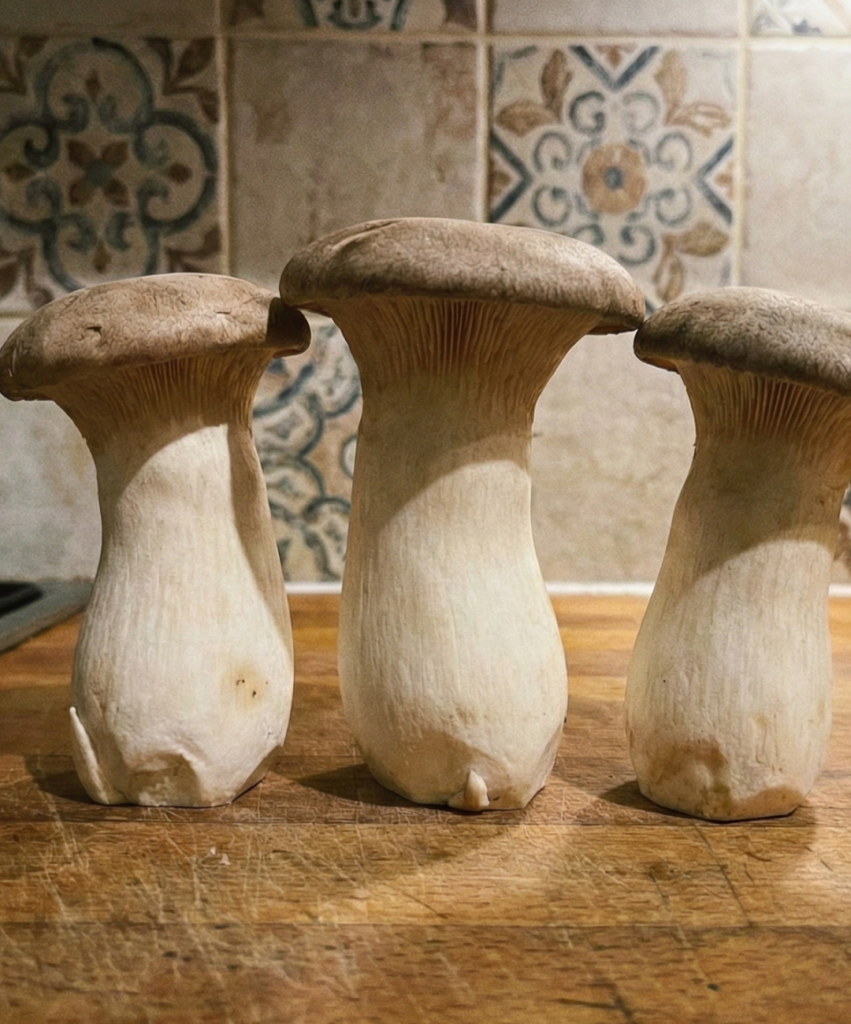
King oyster (king trumpet) mushrooms are thick-stemmed and very versatile.
- Flavor & texture: Mild and subtly sweet, but very dense and meaty, especially in the stem.
- Best uses:
- Sliced into “scallops” and seared
- Grilled or roasted as a centerpiece vegetable
- Cut into strips for hearty stir-fries
If you’re looking for a mushroom that can truly replace a piece of meat on the plate, king oyster is one of the top choices.
7. Enoki Mushrooms
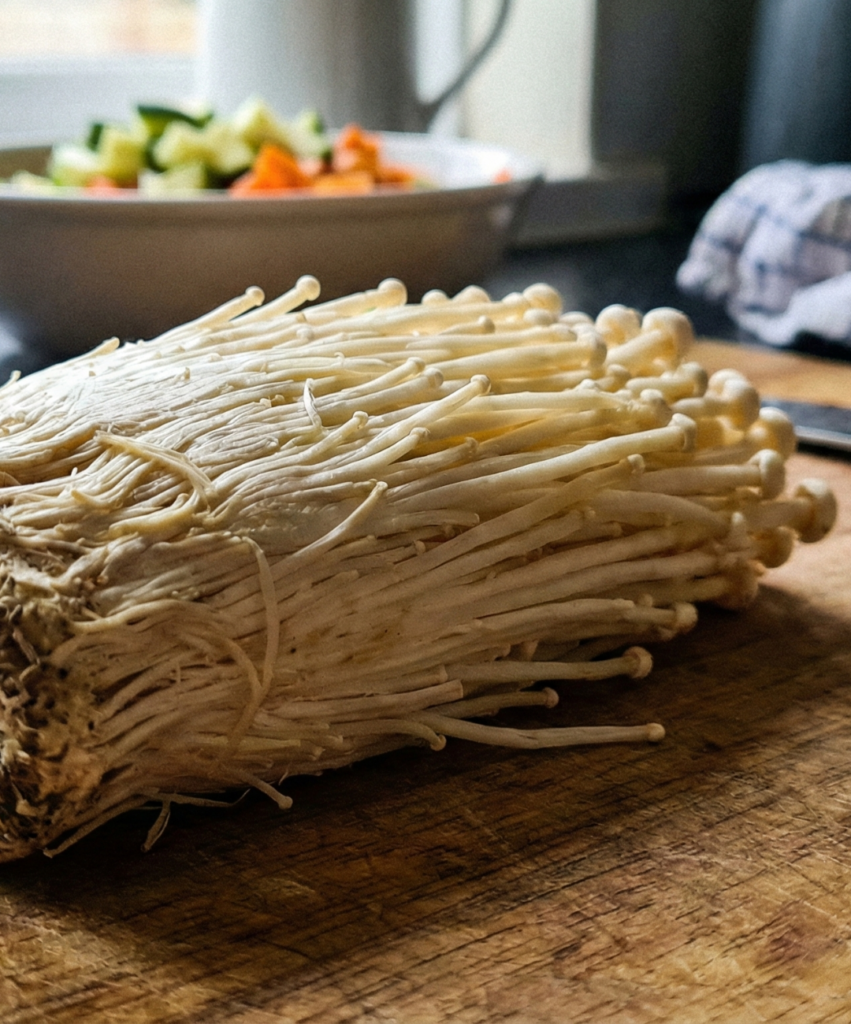
Enoki mushrooms are long and thin, almost like little noodle bundles with tiny caps.
- Flavor & texture: Very mild and slightly fruity, with a delicate crunch.
- Best uses:
- Topping soups and hot pots
- Stirred into ramen at the end of cooking
- Added to salads for extra texture
Because they cook in seconds, enoki are perfect as a last-minute addition to hot dishes.
8. Maitake (Hen of the Woods)
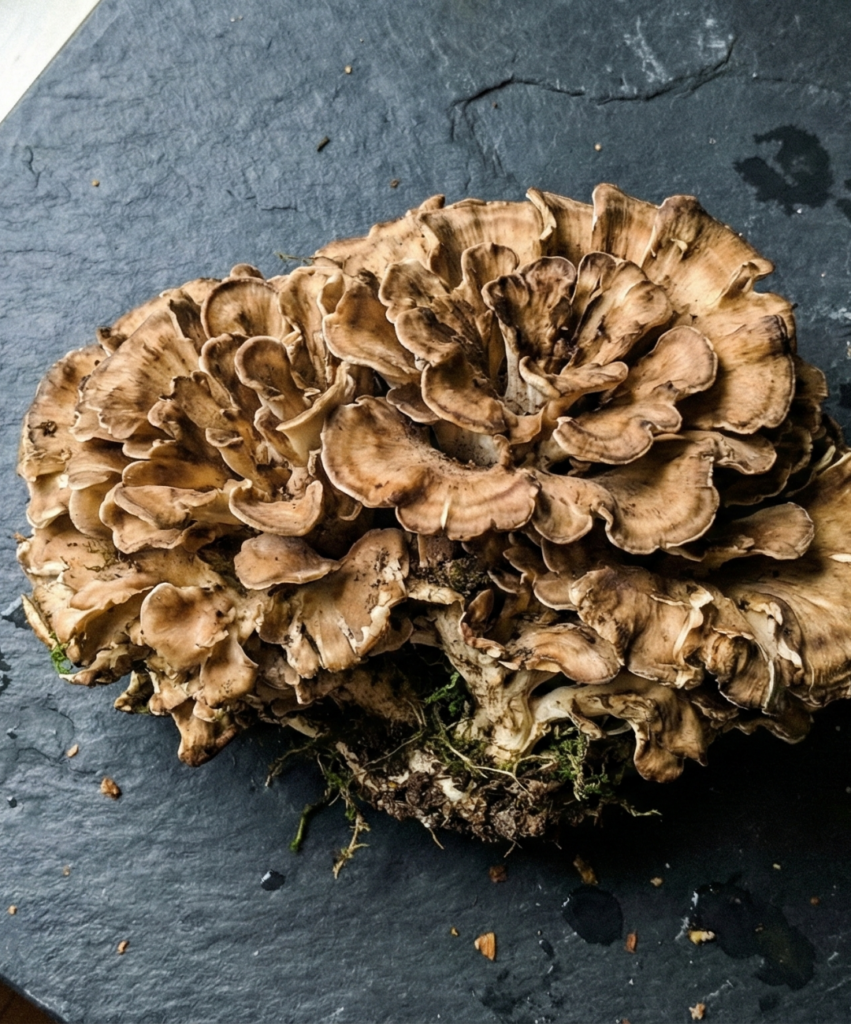
Maitake mushrooms grow in frilly clusters and look very dramatic when roasted.
- Flavor & texture: Earthy, rich, and very savory, with crisped edges when roasted.
- Best uses:
- Roasted until browned as a side dish
- Added to grain bowls and salads
- Used in soups and stews for deep, complex flavor
If you want a mushroom that feels “gourmet” with minimal effort, maitake is a great choice.
9. Porcini Mushrooms (Usually Dried)
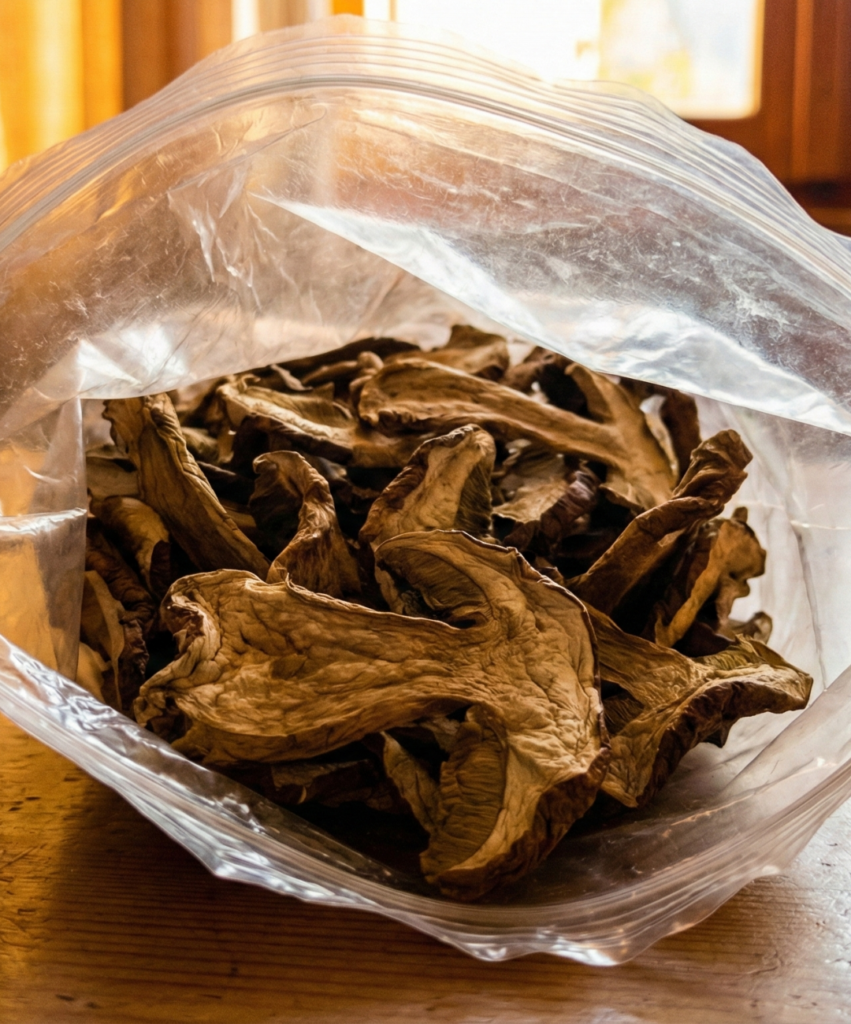
Porcini are a classic in Italian and French cooking and are often sold dried rather than fresh.
- Flavor & texture: Intensely nutty, earthy, and aromatic, especially in dried form.
- Best uses:
- Risotto and creamy pasta
- Sauces for steak or roasted meats
- Soups, stews, and braises
To use dried porcini, soak them in hot water until soft, then strain and add both the mushrooms and the soaking liquid to your dish.
How to Choose and Store Mushrooms
Choosing mushrooms:
- Look for firm mushrooms with no slimy or wet patches.
- The surface should be dry but not wrinkled or shriveled.
- For packaged mushrooms, avoid containers with visible liquid pooling at the bottom.
Storing mushrooms:
- Store mushrooms in the refrigerator, ideally in a paper bag to absorb excess moisture.
- Don’t wash them before storing; instead, clean them right before cooking by brushing off dirt or wiping with a damp towel.
- Most common mushrooms keep for about 3–7 days when stored properly, while delicate types like enoki are best used quickly.
Frequently Asked Questions About Cooking Mushrooms
1. Can you eat mushrooms raw?
Yes, most common culinary mushrooms like white button, cremini, and portobello can be eaten raw and are safe to consume. They’re often sliced thin and added to salads. However, cooking mushrooms improves their digestibility and unlocks more of their nutrients, particularly B vitamins and antioxidants. Some varieties like shiitake should always be cooked, as raw shiitake can cause digestive upset in sensitive individuals.
2. Which type of mushroom is best for pasta?
For creamy pasta dishes, cremini or porcini (dried and rehydrated) are excellent choices because they add deep, savory flavor without overpowering the sauce. For lighter pasta like aglio e olio or spring vegetable pasta, oyster mushrooms work beautifully because they cook quickly and have a delicate, silky texture. If you want a meaty, substantial bite, shiitake or king oyster mushrooms are ideal.
3. Do I need to wash mushrooms before cooking?
You should avoid washing mushrooms under running water because they absorb moisture like sponges, which makes them soggy and prevents proper browning. Instead, brush off any dirt with a dry brush or wipe them gently with a damp paper towel. If mushrooms are extremely dirty (like foraged varieties), a very quick rinse followed by immediate patting dry is acceptable, but store-bought mushrooms rarely need this.
4. What’s the difference between cremini and portobello mushrooms?
Cremini and portobello mushrooms are actually the same species at different stages of maturity. Cremini (also called baby bella) are harvested when young and small, with closed caps and a mild, earthy flavor. Portobellos are left to grow larger until their caps open fully, developing a deeper, meatier flavor and firmer texture. White button mushrooms are also the same species, just an even younger, lighter-colored version.
5. Can I substitute one type of mushroom for another in recipes?
Yes, most mushrooms can be substituted for one another, though the flavor and texture will change slightly. If a recipe calls for cremini, you can use white button (milder flavor) or shiitake (stronger, earthier flavor). For recipes requiring portobello, try thick-sliced king oyster or whole cremini caps. The main rule is to match the cooking time—delicate mushrooms like enoki cook in seconds, while dense varieties like king oyster need several minutes to soften.
6. How do you know when mushrooms have gone bad?
Fresh mushrooms should be firm, dry, and free of dark spots. Signs that mushrooms have gone bad include a slimy or sticky surface, visible mold (fuzzy white or green spots), a strong sour smell, or wrinkled, shriveled caps. If mushrooms feel wet or have dark, mushy patches, it’s best to discard them. When stored properly in a paper bag in the refrigerator, most mushrooms stay fresh for 3–7 days.
7. Are dried mushrooms better than fresh?
Dried and fresh mushrooms serve different purposes in cooking. Dried mushrooms (especially porcini and shiitake) have a much more concentrated, intense flavor and are excellent for broths, risottos, and sauces where you want deep umami. Fresh mushrooms have a cleaner, lighter taste and better texture for sautés, stir-fries, and dishes where you want visible mushroom pieces. Many professional chefs keep both on hand and use dried mushrooms specifically as a “flavor booster”.
Ready to Cook with Mushrooms Like a Pro?
Understanding the different types of mushrooms for cooking is one of those kitchen skills that pays off immediately. Whether you’re swapping cremini for portobello in a quick weeknight stir-fry or adding porcini to elevate a holiday sauce, the right mushroom variety makes all the difference.
Next time you’re at the grocery store, don’t just grab the first package you see—think about the flavor, texture, and cooking method your recipe needs. Your dishes will taste noticeably better, and you’ll cook with a lot more confidence.
Try it out: Pick up a mix of cremini and oyster mushrooms this week and make a simple garlic butter sauté. You’ll see (and taste) the difference immediately.
If you have questions about specific mushroom recipes or want to see how I use these varieties in my dishes, drop a comment below! And if you’re planning holiday sides, don’t miss my homemade green bean casserole recipe—it uses cremini mushrooms to create that perfect creamy, savory base.
Happy cooking!